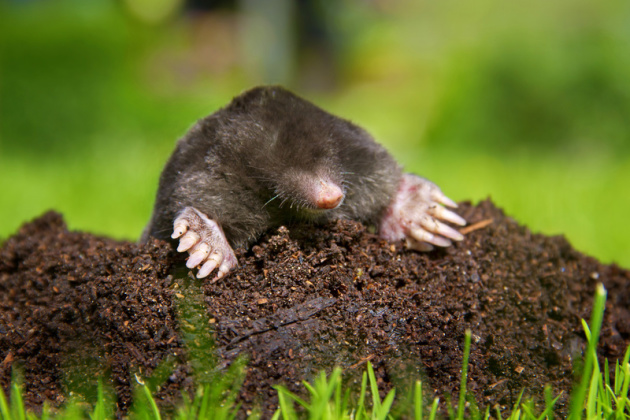
Every year, gardeners face the same unpleasant sight: raised mounds of earth, damaged root crops, gnawed bulbs. But before grabbing traps and poisons, it's worth figuring out exactly who has visited your garden. The mole, shrew, and mole rat are three completely different animals with different eating habits and levels of harm.
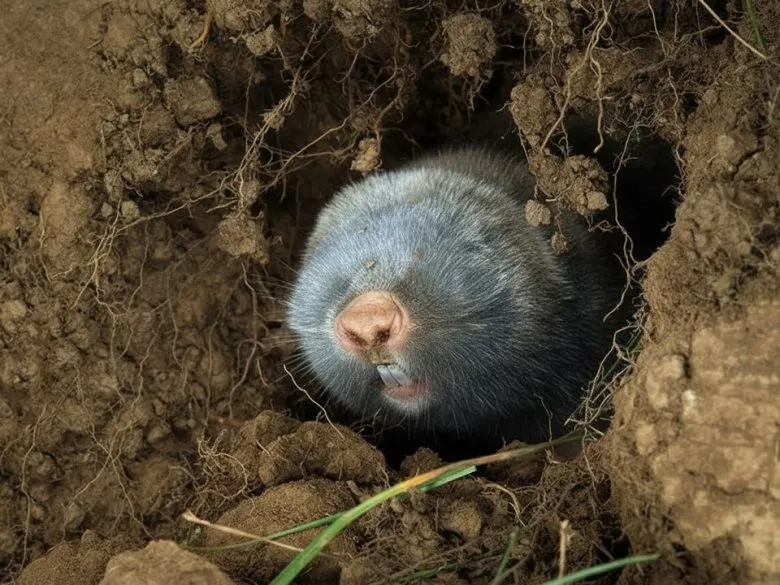
Common mole
Talpa europaea — a mammal of the order Insectivora.
The mole is the most "innocent" of the three. It doesn't eat plants: its menu consists exclusively of earthworms, larvae, and insects. However, while digging a branched underground tunnel network, the mole cuts through plant root systems and mechanically damages tubers and bulbs.
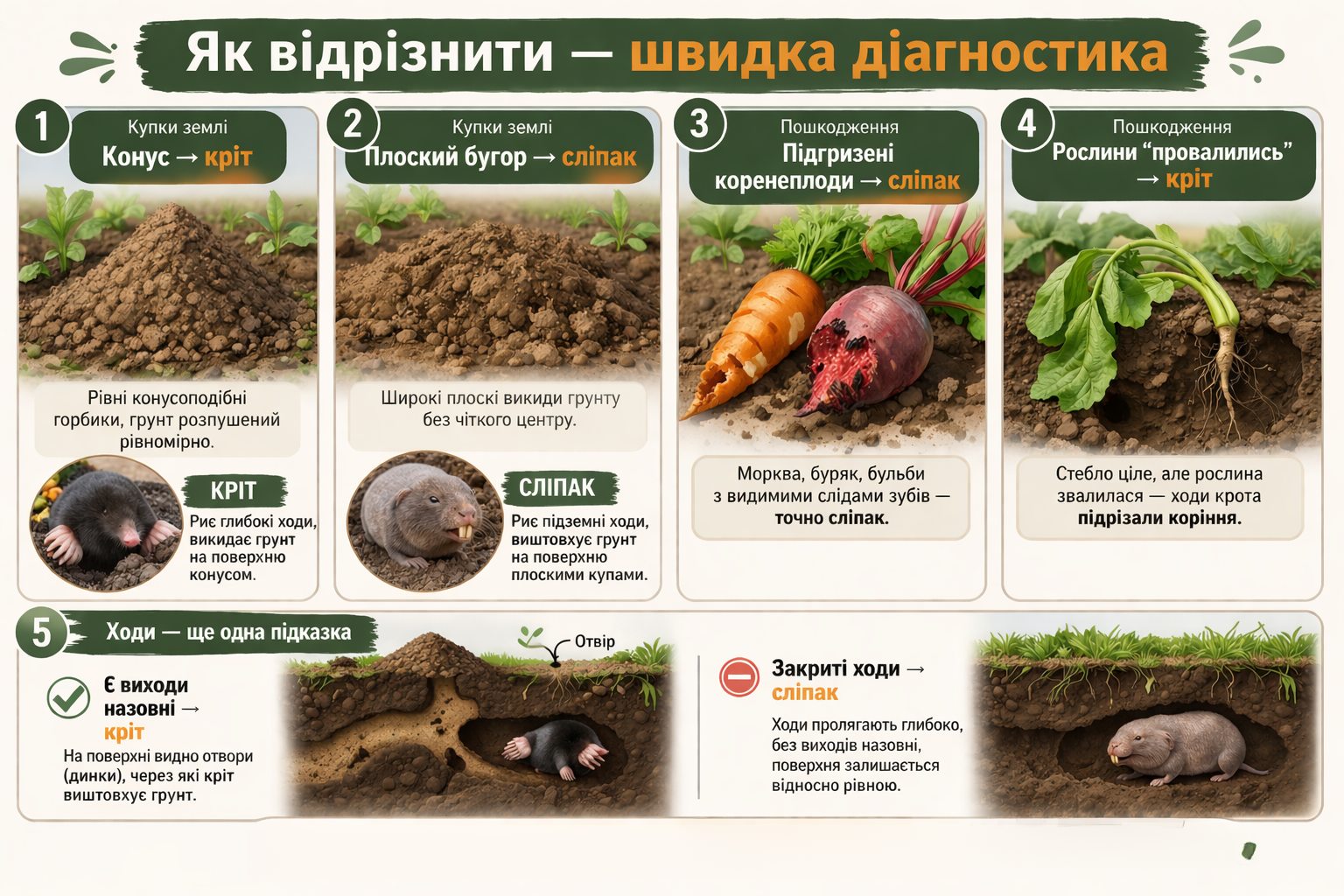
The characteristic sign of a mole's presence is cone-shaped mounds of loose earth (molehills). In light and medium soils, a single mole can dig up to 20 meters of new tunnels per day.
Shrew
Sorex spp. — the smallest mammal in the garden.
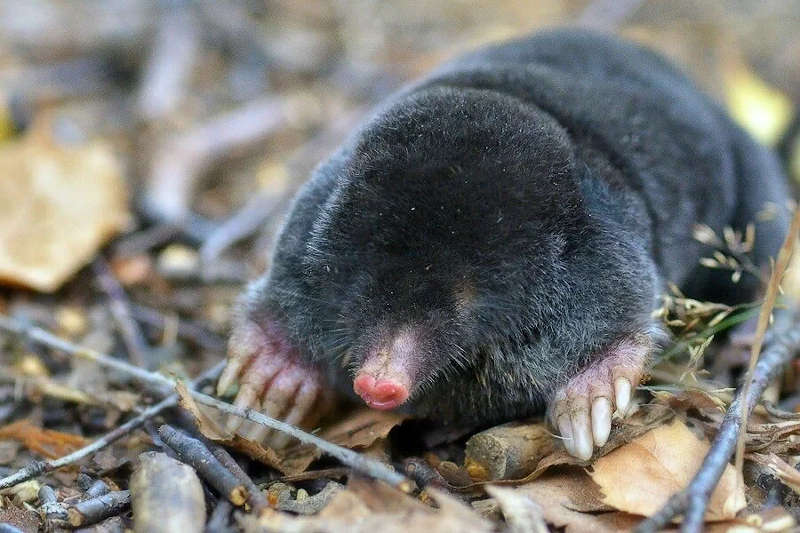
The shrew is often mistaken for a mouse, but it is a fundamentally different animal — also an insectivore. It is very small (3–18 g), with an elongated, mobile snout. The shrew rarely digs its own tunnels — it usually uses tunnels made by moles or mice.
For the garden, the shrew is practically harmless and even beneficial: it destroys a huge number of harmful insects, slugs, and May beetle larvae. Plant damage from it is rare and only accidental.
Common mole rat
Spalax microphthalmus — the most dangerous pest.
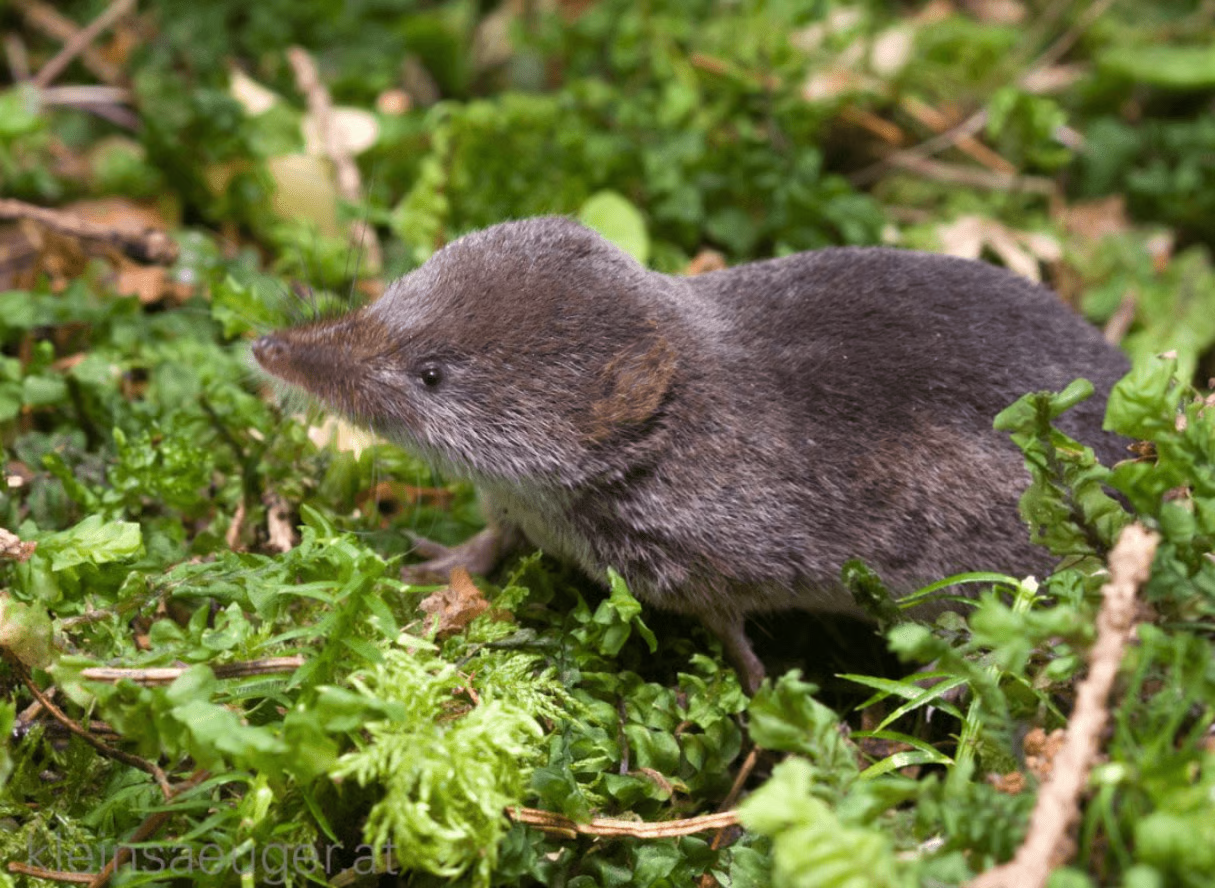
This is the real problem for gardeners. The mole rat is a rodent and feeds exclusively on plants: root crops, bulbs, tubers, tree roots. Carrots, potatoes, beets, garlic, tulips, fruit trees — all are part of its diet. The animal is large (200–700 g), almost blind, and very aggressive.
The mole rat builds a branched system of burrows at a depth of 20–50 cm, and feeding tunnels — directly under the soil layer. The earth mounds are flat and sprawling (not cone-shaped like the mole's). In one season, a single animal can destroy up to 15 kg of vegetables.
How to distinguish them — quick diagnostics
Correctly identifying the "culprit" is half the battle. Pay attention to the shape of the earth mounds and the nature of the damage:
Methods of controlling moles
🟢 Vibration repellents — one of the most effective methods
Moles are very sensitive to:
▪️ vibration
▪️ noise
▪️ soil vibrations
What works:
✔️ Solar or battery-powered repellents
✔️ Metal rods driven into the ground
✔️ Plastic bottles on stakes
✔️ Homemade windmills
📌 Important:
▪️ Install every 8–12 meters.
▪️ The effect usually appears after 5–14 days.
🟡 Traps and mole traps
Work well if:
1️⃣ an active tunnel is found
2️⃣ the trap is installed airtight
How to find an active tunnel:
▪️ Level the mound
▪️ If a new one appears in 12–24 hours — the tunnel is active
▪️ Install the trap there
🟠 Barrier method (very effective for lawns)
Use:
✔️ Metal mesh
✔️ Plastic mesh
Depth:
📏 40–60 cm
Especially effective:
▪️ under lawns
▪️ around greenhouses
▪️ near flower beds
🔴 Folk methods (auxiliary)
You can put in the tunnels:
▪️ garlic
▪️ tar
▪️ fish waste
▪️ rags with gasoline
⚠️ Effectiveness is unstable.
Methods of controlling mole rats
🟢 Traps — one of the most effective methods
Use:
✔️ mechanical traps
✔️ arc traps
✔️ tunnel traps
How to set them correctly:
1️⃣ Find a fresh mound
2️⃣ Open the tunnel
3️⃣ Set the trap
4️⃣ Block the light
📌 Important:
Mole rats dislike light — so the hole must be covered.
🟡 Barrier methods
Very effective:
✔️ Metal mesh
✔️ Plastic mesh
✔️ Planting containers
Depth:
📏 50–70 cm
Especially useful for:
▪️ young trees
▪️ flower beds
▪️ greenhouses
🟠 Vibration methods
Use:
✔️ metal rods
✔️ repellents
✔️ windmills
Effectiveness is moderate, but helps contain spreading.
🔴 Flooding tunnels with water
Rarely works.
Reason:
Mole rats have a complex tunnel system.
Methods for controlling shrews
✔️ compacting the soil
✔️ removing shelters
✔️ using fine mesh
But usually they are more beneficial than harmful.
Prevention for the future
The best fight is prevention. A few simple steps will significantly reduce the attractiveness of your plot for underground guests:
✔️ A hedge of fritillaria. Fritillaria imperialis has a strong smell that repels moles and mole rats from a distance.
✔️ Don't overwater. Overly moist soil attracts worms — the main food for moles. Moderate watering reduces their population.
✔️ Regular inspection. New mounds of earth are a sign of fresh activity. The earlier you detect them, the easier it is to get rid of them.
Don't rush to declare war on everyone. The shrew is your ally. The mole is an unpleasant neighbor, but not an enemy of plants, and usually scaring it away is enough. But the mole rat is a real aggressor that requires targeted and consistent control. Proper diagnosis saves time, money, and maintains the natural balance in your garden.