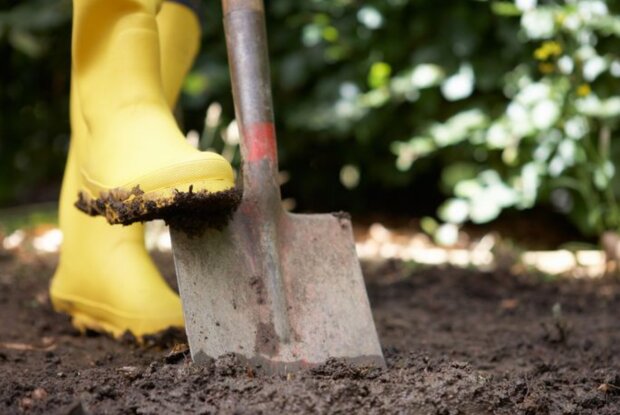
The question of whether to grab a shovel in the spring is a real battlefield among gardeners. Some consider it a sacred duty, others—a crime against nature.
The truth, as always, lies somewhere in between. It all depends on the soil type, the condition of the plot, and the method of growing plants.
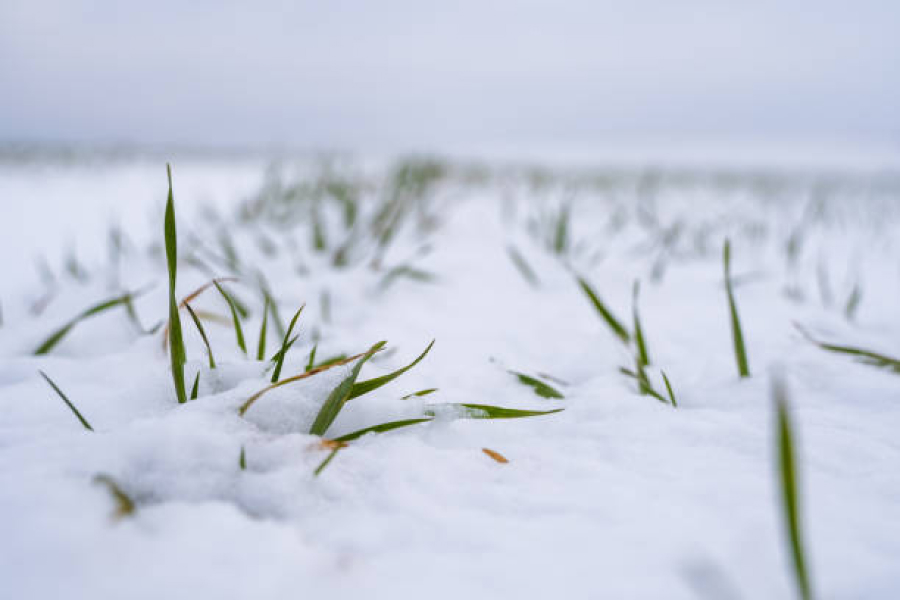
What Happens to Soil Over Winter
During winter, the soil undergoes several natural processes:
▪️freezing and thawing
▪️moisture accumulation
▪️compaction under the weight of snow and rain
As a result, the top layer often becomes dense and covered with a soil crust. This crust poorly lets air and water through, which can hinder plant growth. That’s why the soil needs to be prepared for the new season in spring. But preparation doesn’t always mean deep digging.
Why Dig the Soil at All?
Traditional farming insists on spring digging for several reasons:
1️⃣ Aeration: Heavy soils settle and "suffocate" over winter. Digging fills the soil with oxygen.
2️⃣ Warming: Loose soil absorbs sunlight faster, allowing you to plant seedlings earlier.
3️⃣Weed and Pest Control: When you turn the soil, the roots of perennial weeds end up on the surface and dry out, while pest larvae (like May beetles or wireworms) become food for birds.
4️⃣ Fertilizer Application: This is the perfect time to incorporate compost, manure, or mineral fertilizers into the root zone.
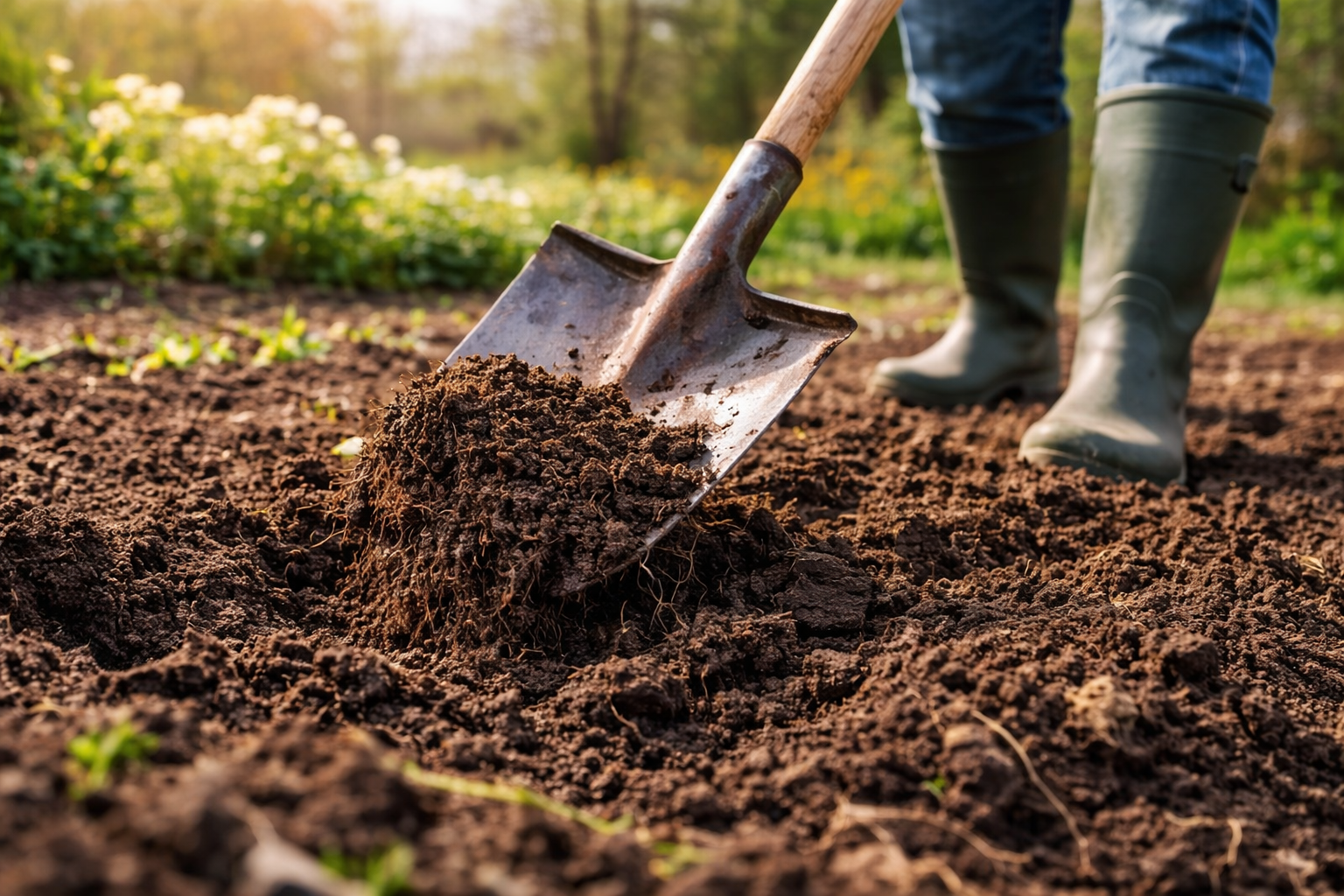
Why Many People Refuse to Dig?
Today, the No-Till concept (no tillage) is gaining popularity. Proponents of organic farming argue that deep digging harms the ecosystem:
▪️Destruction of Structure: Beneficial bacteria and fungi live in the soil. Aerobic ones (which need oxygen) live near the surface, anaerobic ones—deeper. By turning the soil, we swap their places, and both groups die.
▪️Loss of Moisture: In spring, every centimeter of moisture is worth its weight in gold. Digging speeds up evaporation.
▪️Disruption of Capillaries: Natural channels made by worms and roots, through which water and air move, are destroyed.
When Digging Is Truly Needed
In some cases, spring digging can be beneficial.
1️⃣ Heavy Clay Soil
If the soil is very dense and turns almost like concrete after rain, digging helps to:
▪️loosen the soil
▪️improve air access
▪️prepare beds for sowing
At the same time, people often add:
▪️compost
▪️manure
▪️sand
▪️organic fertilizers
This helps improve soil structure.
2️⃣ If the Plot Wasn’t Worked in Autumn
Many gardeners dig their gardens in autumn, and in spring only level and loosen the beds.
But if the soil wasn’t worked in autumn, you may need to dig in spring to:
▪️incorporate plant residues
▪️level the surface
▪️prepare beds for planting
3️⃣ If You Need to Add a Lot of Organic Matter
Sometimes digging is done to add:
▪️manure
▪️compost
▪️green manure (cover crops)
This way, nutrients are evenly distributed in the topsoil.
When It’s Better NOT to Dig
Modern agronomic approaches increasingly recommend reducing soil digging. There are several reasons for this.
1️⃣ Soil Structure Is Destroyed
Healthy soil has a complex structure:
▪️air pores
▪️channels from earthworms
▪️colonies of beneficial microorganisms
Deep digging destroys these natural structures.
2️⃣ Beneficial Microorganisms Die
Millions of bacteria and fungi live in the soil, which:
▪️process organic matter
▪️make nutrients available to plants
▪️improve fertility
When soil is turned, some of these organisms end up in conditions where they can’t survive.
3️⃣ Moisture Evaporates Faster
After digging, the soil becomes loose, but at the same time loses moisture more quickly.
This is especially important in spring, as plants need moisture to start growing.
What Can Be Done Instead of Digging?
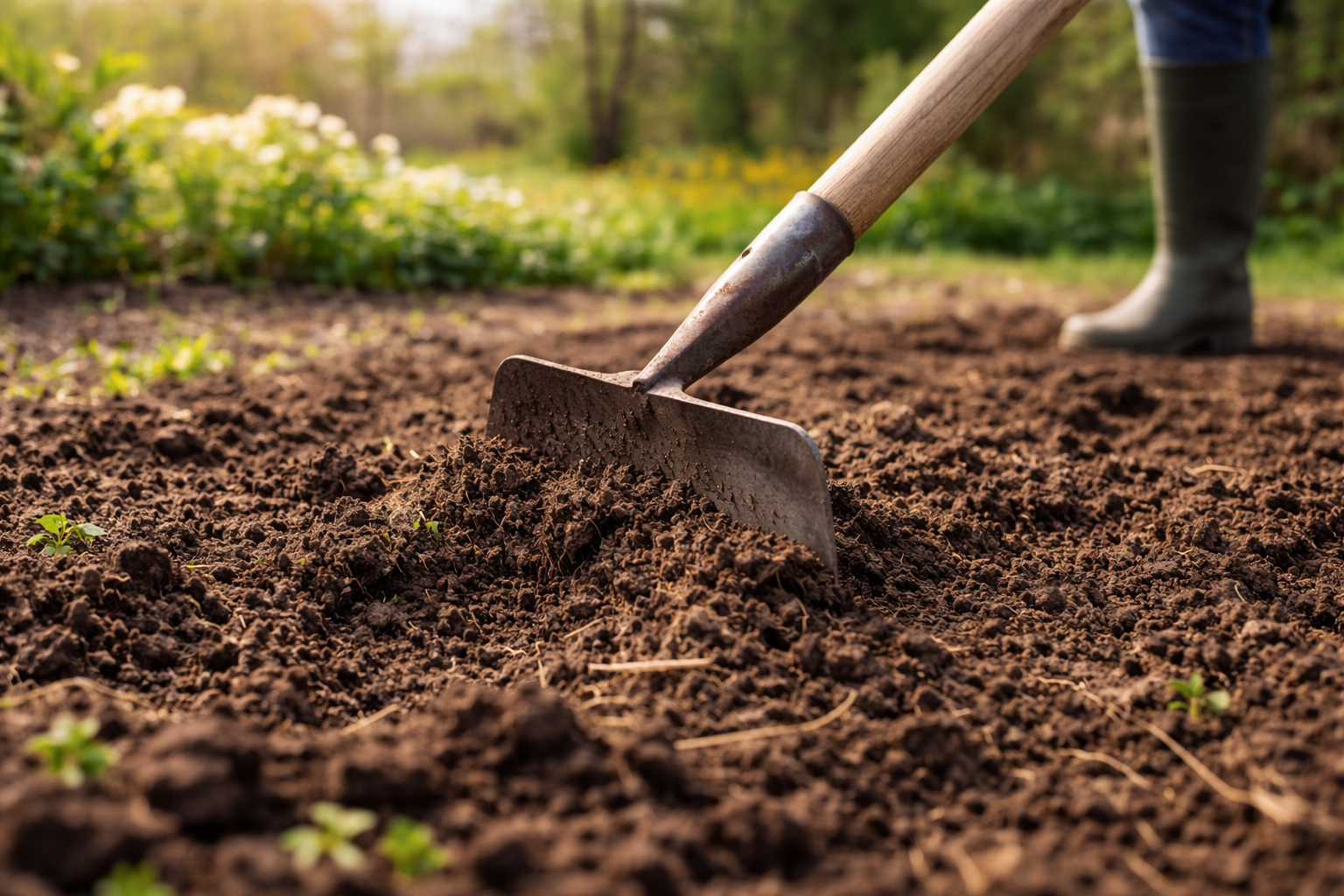
In many cases, light loosening of the soil is enough. For this, you can use:
▪️a hoe
▪️a flat-cutter (broadfork)
▪️a cultivator
▪️a rake
Usually, it’s enough to loosen the top layer by 3–5 cm (1–2 inches).
This helps to:
▪️break the soil crust
▪️retain moisture
▪️oxygenate the soil
And it doesn’t disturb the natural soil structure.
When to Start Working the Soil
This is a very important point. Many gardeners start working the soil too early, when it’s still wet. This is one of the most common mistakes.
If you work wet soil:
▪️it sticks together in clumps
▪️compacts
▪️structure deteriorates
The right time is when the soil has dried a bit.
There’s a simple way to check: take a handful of soil and squeeze it in your hand.
▪️if it forms a sticky, dense lump—it’s too early
▪️if the lump easily crumbles—the soil is ready for working
How to Dig Properly in Spring (If You Decide to Do It)
If you still decide you need a shovel, follow these rules to avoid harm:
- Don’t turn the soil completely. Use a garden fork instead of a shovel. Just stick it into the soil and wiggle it a bit—this will loosen the soil but preserve its microflora.
- Pick the right moment. Don’t dig when the soil is too wet (it will turn into heavy clumps) or too dry (you’ll lose the remaining moisture). Test: squeeze a lump of soil in your hand—it should hold its shape but crumble with light pressure.
- Depth matters. For spring cultivation, 10–15 cm (4–6 inches, half a shovel blade) is enough. Deeper digging is best left for autumn.
- Level immediately. After digging, immediately go over with a rake to "seal in the moisture."
You should dig if: you have heavy, uncultivated soil, you didn’t dig in autumn, or you plan to plant root crops (carrots, parsnips) that need soft soil at depth.
Loosening is enough if: the soil is light, you care about microflora, you use mulch, or you did good preparation in autumn.