Common mistakes when storing seeds in winter: how to avoid losses
Winter is the perfect time to check your seed stocks, plan your sowing, and prepare for the new season. But it is in winter that many gardeners make typical mistakes, which result in poor or no seed germination in spring.
Let's look at the most common mistakes and explain how to avoid them.
❌ Mistake 1: Storing seeds in the kitchen or on the windowsill
The kitchen is one of the worst places:
▪️ constant temperature fluctuations
▪️ high humidity
▪️ steam from cooking
The windowsill is even worse — there:
▪️sunlight
▪️overheating during the day
▪️overcooling at night
👉 Seeds quickly lose viability in such conditions.
The right way:
Store seeds in a dry, dark, and cool place: a closet in the room, a pantry, a box in the hallway, a cellar without dampness.
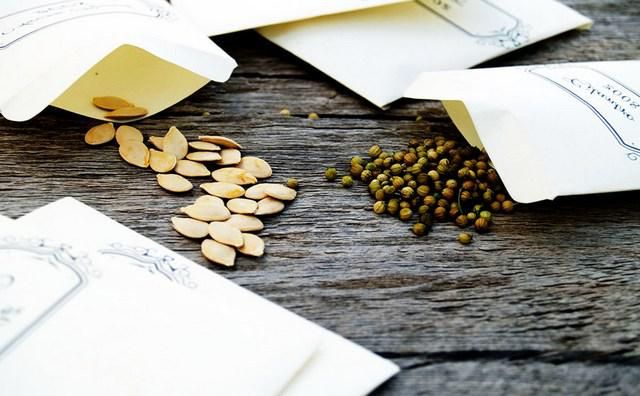
❌ Mistake 2: Keeping seeds in open or paper packets
Paper packets “breathe” well, but:
▪️absorb moisture from the air
▪️do not protect from humidity swings
▪️easily get wet
👉 Moisture is the main enemy of seeds in winter.
The right way:
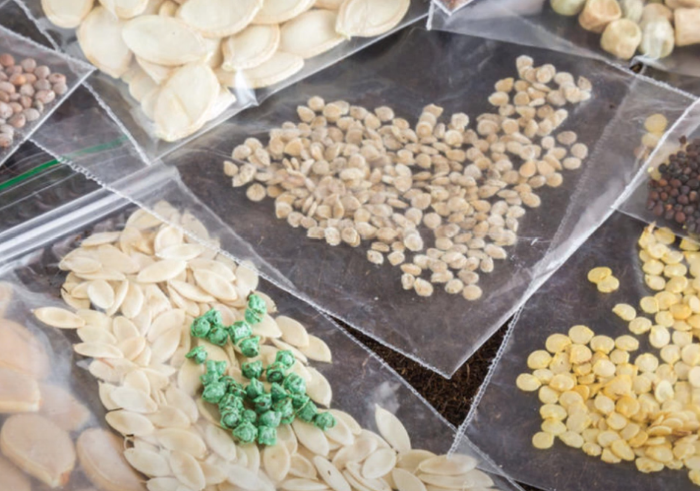
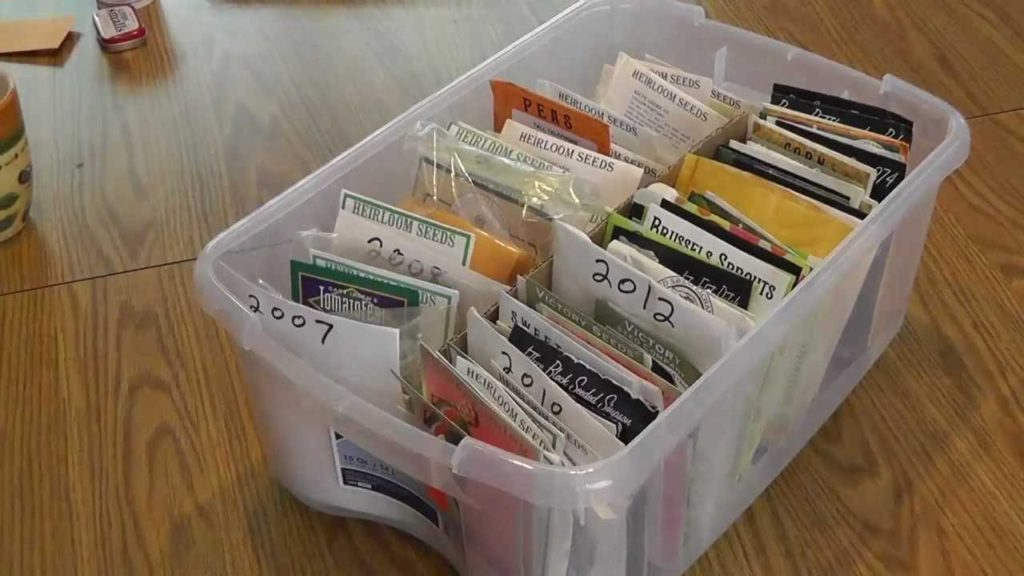
Store paper packets inside:
✔️ a plastic container
✔️ a metal box
✔️ a tightly sealed zip bag
❌ Mistake 3: Frequently checking and “rearranging” seeds
Each time you open the box:
▪️lets in humid air
▪️changes the temperature
▪️creates condensation
👉 Seeds do not like “disturbance”.
The right way:
Check your stocks no more than once every 3–4 weeks.
❌ Mistake 4: Storing seeds near a radiator or heating appliances
Warmth and dryness seem safe, but:
▪️over-dried seeds lose germination energy
▪️the shell becomes brittle
▪️the embryo is damaged
The right way:
The optimal storage temperature:
+5…+12 °C for most crops.
❌ Mistake 5: Mixing new and old seeds
When all seeds are in one box without labels:
▪️it's easy to mix up years of collection
▪️hard to assess germination
▪️old seeds “ruin” plans
The right way:
Each packet should include:
✔️the name of the crop and variety
✔️the year of collection or purchase
✔️preferably — the expiration date
❌ Mistake 6: Storing wet or insufficiently dried seeds
This is especially true for seeds collected by yourself.
Undried seeds:
▪️ become moldy
▪️ rot
▪️ lose viability
The right way:
Before storage, seeds must be:
✔️ completely dry
✔️ loose
✔️ without a musty smell
❌ Mistake 7: Storing together with food or chemicals
Seeds absorb odors and fumes from:
▪️ spices
▪️ paints
▪️detergents
▪️fertilizers
👉 This can damage the embryo.
The right way:
Keep seeds separate from:
✔️ food
✔️ chemicals
✔️ paints and solvents
✅ What ideal storage looks like
Proper conditions:
▪️dry
▪️dark
▪️cool
▪️stable temperature
▪️protection from moisture
The ideal option:
paper packets → airtight box → dark cool closet.
Most germination problems start not in spring, but in winter.
If you store seeds properly now, in spring they will reward you with friendly sprouts.
Seeds love peace, dryness, and stability — everything else gets in their way 🌱