For plants, winter is not only a period of dormancy but also an important stage of preparation for the upcoming season. One of the key natural resources at this time is snow, and the proper handling of it is called snow retention. This technique has long been used in agriculture and gardening, but on household plots it is often forgotten or underestimated.
Let’s figure out what it is and why snow retention can significantly affect your harvest.
What is Snow Retention
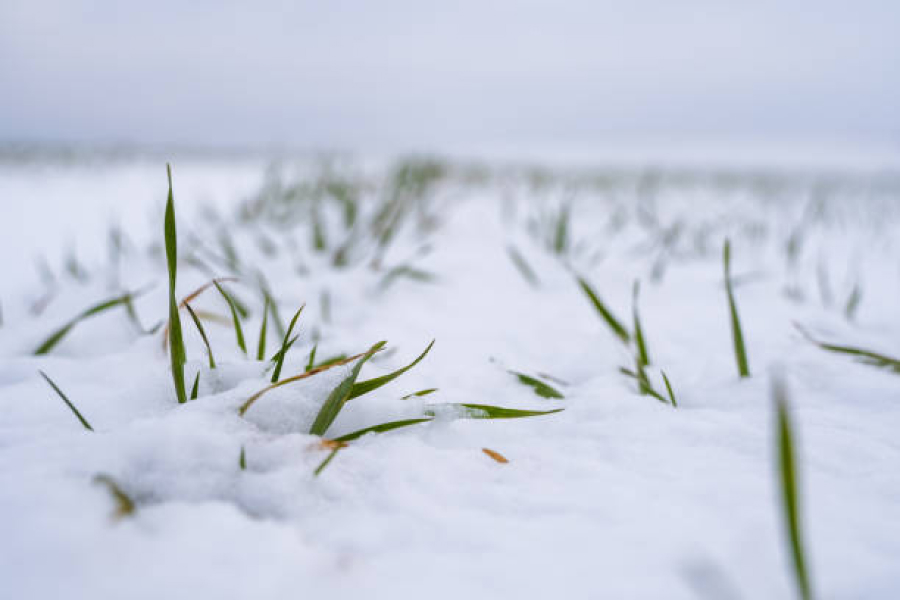
Snow retention is a set of techniques aimed at keeping snow on the plot during winter so it is not blown away by the wind and covers the soil evenly. The goal is to preserve as much snow mass as possible where plants grow or will grow.
Essentially, it is a way to "store moisture and warmth" for the soil naturally.
Why Snow is Important for Soil
Snow is not just frozen water. It performs several important functions at once:
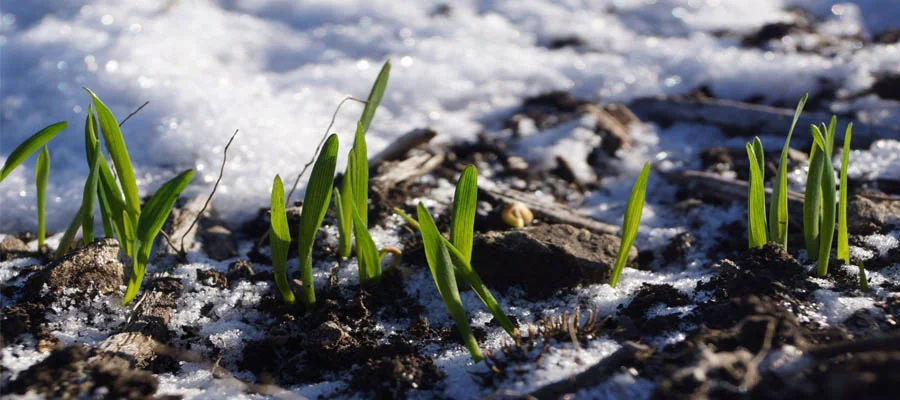
First, it insulates the soil. Even a 10–15 cm layer of snow significantly reduces the risk of freezing the root systems of perennial plants, fruit trees, berry bushes, and winter crops.
Second, snow provides moisture in spring. Melting snow is a slow and even moistening of the soil, which is especially important after a dry autumn or a snowless winter.
Third, life in the soil is preserved under the snow. Microorganisms, earthworms, and beneficial microflora suffer less from frost, which positively affects fertility.
Why Snow Retention is Needed
Snow retention helps solve several problems at once:
▪️protects plant roots from freezing
▪️reduces sharp temperature fluctuations in the soil
▪️prevents the soil from drying out due to winds
▪️accumulates moisture for a spring start
▪️increases the survival rate of winter crops
For gardeners, this means fewer losses in winter and stronger plants in spring.
How Snow Retention is Done on a Plot
On household plots, snow retention does not require complex technologies. Most often, natural and simple methods are used.
One of the most effective is leaving mulch (straw, dry stems, leaves) on the beds. It traps the snow and prevents it from being blown away.
Other effective methods include:
▪️branches left after pruning trees
▪️coniferous boughs
▪️low fences or shields made of available materials
▪️beds not cleared to the soil
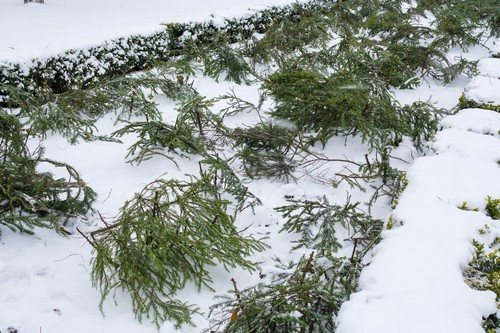
In the garden, it is important not to trample the snow around trees but rather to leave it loose.
When Snow Retention Can Be Harmful
Like any agricultural technique, snow retention has its limits.
A layer of snow that is too thick, compacted, or icy can:
▪️cause plants to rot
▪️promote the development of fungal diseases
▪️break branches of trees and shrubs
Therefore, it is important not just to "accumulate as much as possible" but to ensure an even and loose snow cover.
Snow Retention and Modern Gardening
Combined with mulching, cover crops, and minimal tillage, snow retention becomes part of an ecological and resource-saving approach to gardening. It allows for less intervention but more stable results.
Snow retention is a simple, free, and very effective way to help soil and plants get through the winter. By keeping snow on your plot, you preserve warmth, moisture, and life in the soil—all of which will turn into a strong start to the season in spring.
❄️ More snow in winter means fewer problems in spring.