Insecticides are one of the main groups of plant protection products, without which it is hard to imagine a modern garden or vegetable patch. Pest insects can quickly destroy leaves, buds, fruit sets, and even the root system of plants, directly affecting yields. Insecticides help control their numbers and prevent mass infestations of crops.
This article will explain what insecticides are, how they work, the types that exist, and how to use them correctly for effective and safe protection.
What are insecticides?
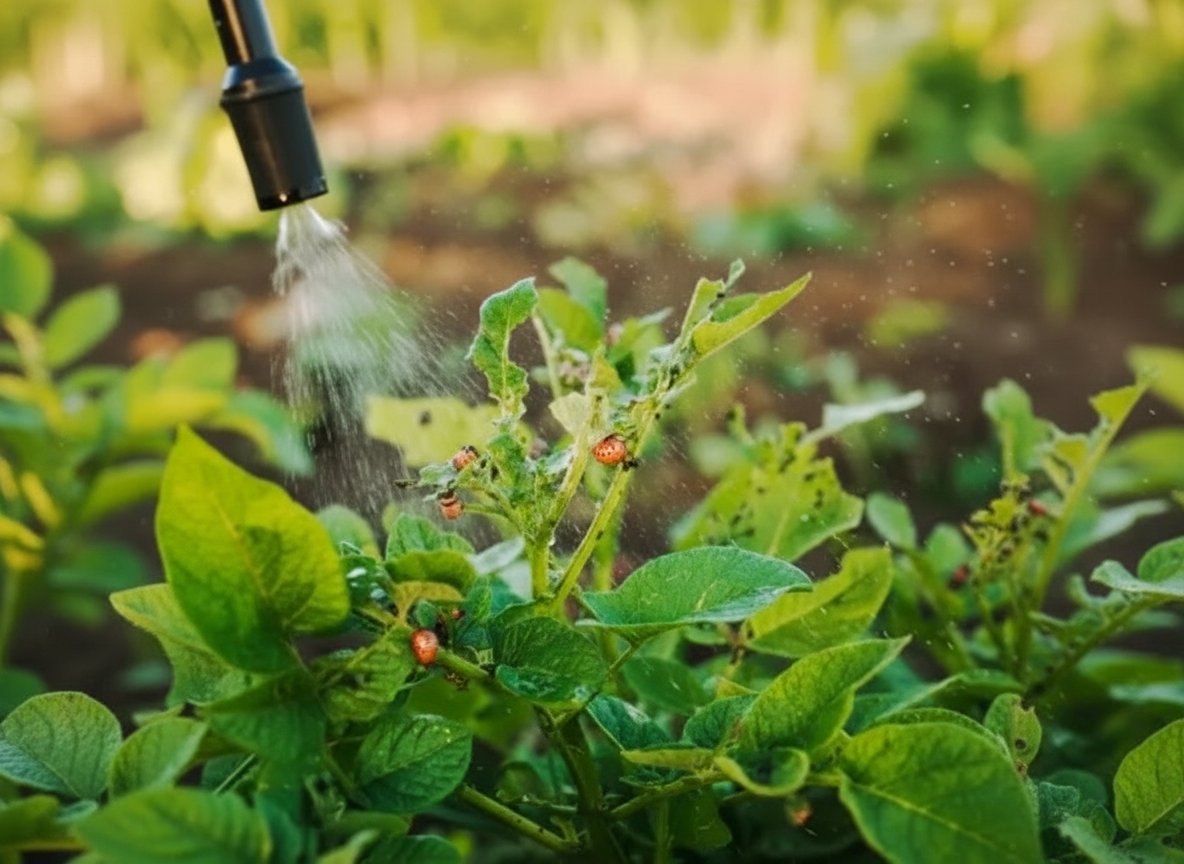
Insecticides are chemical or biological agents designed to destroy or suppress pest insects at all stages of their development: egg, larva, nymph, adult.
The name comes from the Latin words insectum—insect and caedere—to kill.
Insecticides are used in:
▪️ vegetable growing
▪️ horticulture
▪️ greenhouses
▪️ indoor plant cultivation
Which pests do insecticides control?
Insecticides are effective against many common pests:
▪️ aphids
▪️ whiteflies
▪️ thrips
▪️ Colorado potato beetle
▪️ caterpillars
▪️ cutworms
▪️ leafrollers
▪️ mites (some groups of products)
▪️ wireworms
▪️ cabbage moth
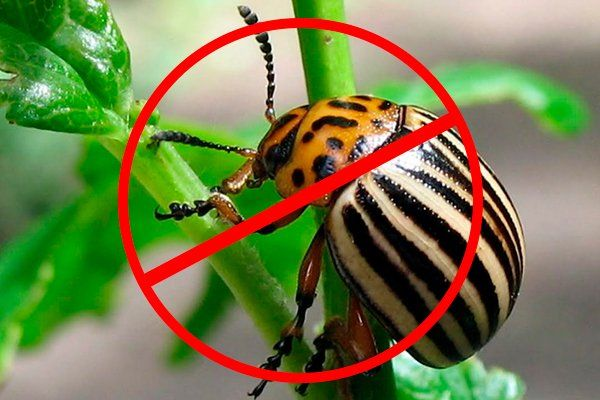
How do insecticides work?
The mode of action depends on the type of product, but generally insecticides affect the nervous, digestive, or respiratory systems of insects.
1️⃣ Disruption of the nervous system
Most insecticides block the transmission of nerve impulses in insects.
Result:
▪️ paralysis
▪️ cessation of feeding
▪️ death of the pest
2️⃣ Disruption of feeding process
Some products make the plant "unpalatable" or block the insect's digestion.
3️⃣ Disruption of development
Insect growth regulators interfere with molting, larval development, or transformation into the adult stage.
🧪 Main types of insecticides
1️⃣ Contact
Act when they come into direct contact with the insect.
✔ Fast effect
❗ Requires thorough plant coverage
Example: pyrethroids.
2️⃣ Stomach
Enter the pest’s body with food.
✔ Effective against leaf-eating pests
❗ Ineffective if the insect is not feeding
3️⃣ Systemic
Penetrate plant tissues, making them toxic to pests.
✔ Long-lasting protection
✔ Not washed off by rain
❗ Require observing pre-harvest intervals
Examples: neonicotinoids, some combined products.
4️⃣ Contact-stomach
Combine both mechanisms of action.
✔ Most common
✔ Effective against a wide range of pests
5️⃣ Biological insecticides
Based on bacteria, fungi, or their metabolic products.
✔ Safe for humans and beneficial insects
✔ Suitable for organic farming
❗ Work more slowly
Examples: Bacillus thuringiensis, avermectins.
When are insecticides used?
▪️when the first pests appear
▪️during mass infestation
▪️preventively (with caution)
▪️during periods of active pest development
The best time is morning or evening, when it is not hot and bees are not actively flying.
Important rules for use
▪️do not exceed the recommended dose
▪️alternate products with different active ingredients
▪️observe pre-harvest intervals
▪️do not treat during flowering
▪️use personal protective equipment
Insecticides and the ecological approach
The modern approach is integrated plant protection, which combines:
▪️agrotechnical methods
▪️manual pest collection
▪️biological products
▪️minimal and justified use of chemicals
Insecticides are an effective tool for pest control, but they should be used consciously and correctly. Understanding their mechanisms of action and types helps protect plants, preserve yields, and avoid harming the environment.
Smart protection is the balance between effectiveness and safety.