Every February, gardeners start to feel the 'sowing itch.' There’s a desire to fill windowsills with green shoots as soon as possible. However, rushing in this matter is just as bad as being late. Overgrown seedlings become sickly, while late ones don’t have time to produce a harvest before the cold sets in.
1️⃣ The Main Calculation Formula
To determine the sowing date, count backwards from the intended date of planting into the ground.
The formula looks like this:
Planting date - Optimal seedling age - Seed germination time = Your sowing date.
Example: You plan to plant tomatoes outdoors on May 20.
▪️Seedling age: 60 days.
▪️Germination: 7 days.
▪️Total: 67 days. Count back from May 20 and you get approximately March 15.
2️⃣ Optimal Seedling Age for Different Crops
Each plant has its own 'shelf life' in a pot. Here are the average indicators:

3️⃣ Why is 'too early' bad?
Many think: 'I’ll sow in January and get my first tomato sooner.' In reality, it’s different:
▪️Lack of light: In February, the daylight hours are too short. Without professional grow lights, seedlings stretch out, becoming thin and pale.
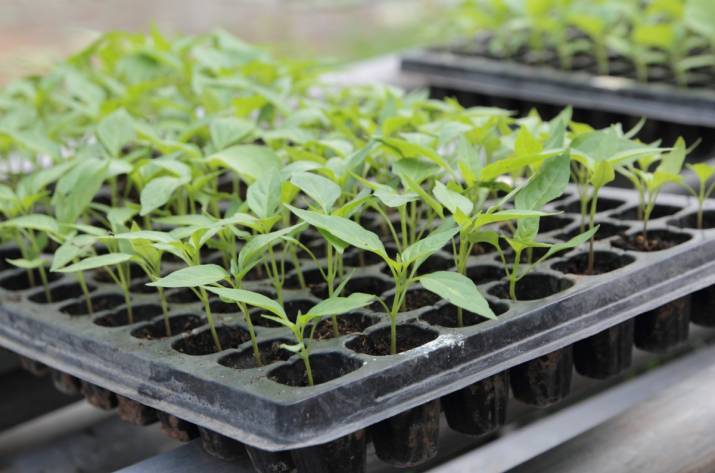
▪️Overgrowing: Roots fill the entire volume of the cup and begin to 'age.' When you plant such a seedling, it will take a long time to adapt instead of starting to grow immediately.
▪️Stress: Large plants tolerate transplanting worse than young and energetic ones.
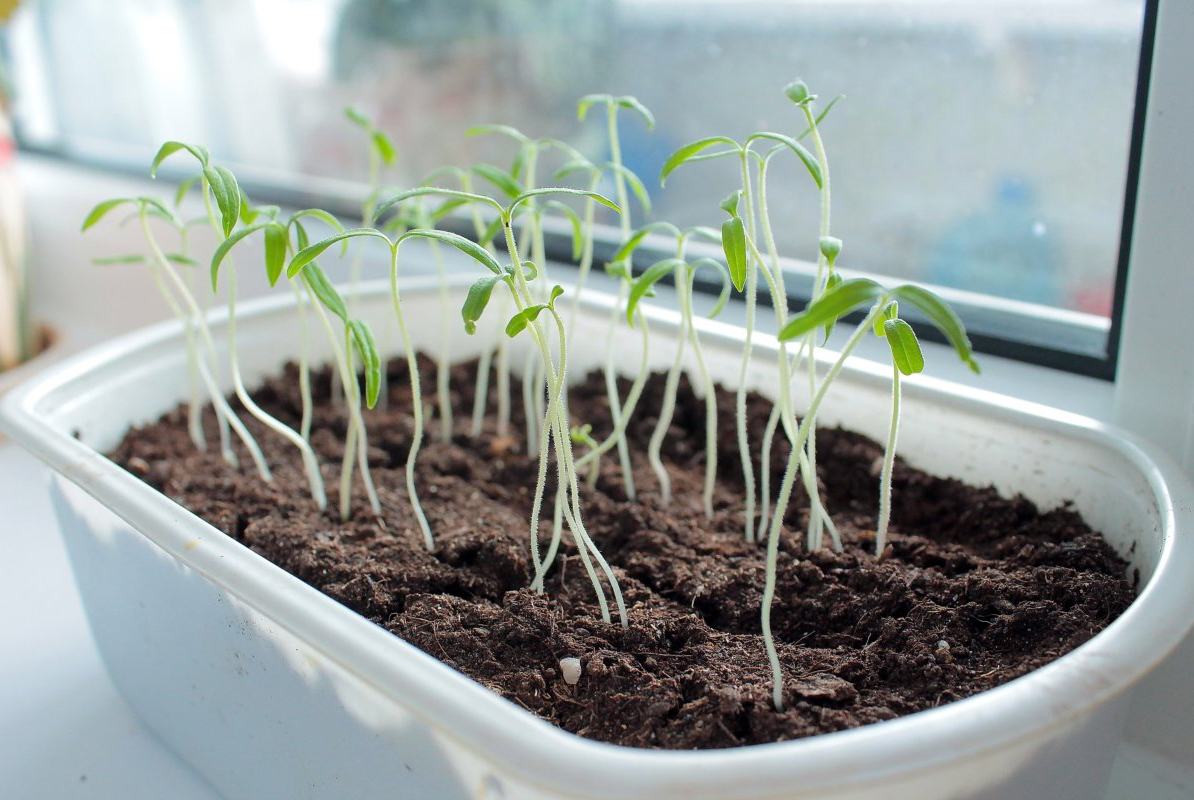
4️⃣ Why is 'too late' risky?
If you delay sowing, you simply won’t have time to enjoy your harvest. This is especially true for crops with a long growing period (peppers, eggplants). You’ll get nice green bushes, but the fruits will only start to ripen in September, when fog and late blight begin.
5️⃣ Factors That Influence Timing
Before sowing, answer three questions:
✔️ Where will they grow? Seedlings are planted in greenhouses 2-3 weeks earlier than in open ground. Accordingly, you can sow them earlier too.
✔️ Do you have grow lights? If you plan to grow plants only on a sunny windowsill, don’t sow anything before mid-March.
✔️ What is the climate in your region? Focus on the date of the last night frosts. In southern regions, this is early May; in northern regions, it’s late May or even early June.
Don’t try to fool nature. For most crops in our latitudes, March is the ideal month to start. April is suitable for fast-growing plants (cucumbers, zucchini, cabbage).