Seed quality is the start of the entire season. It determines germination, uniformity of seedlings, plant vigor, and future yield. Even with proper care, poor seeds will not give the desired result, so it is worth checking them before sowing using simple home methods.
1️⃣ Seed Appearance
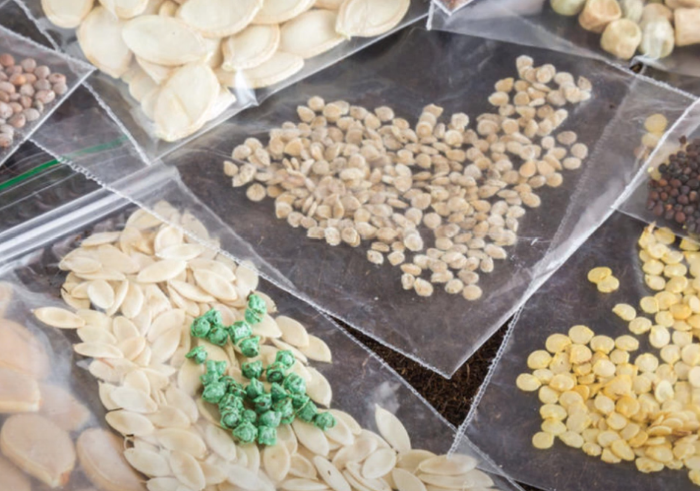
First, evaluate the seeds visually. High-quality seeds have a uniform color characteristic of the crop, without dark spots, plaque, or signs of mold. They are dry, clean, and free of cracks and deformations.
If seeds in one package vary greatly in size or shape, it may indicate poor sorting or storage conditions. Wrinkled and very light seeds usually have low viability.
2️⃣ Expiry Date
Storage time directly affects germination. Over time, seeds lose their germination energy, even if they look normal on the outside.
Approximate seed viability periods:
▪️tomato, cucumber, cabbage — 4–6 years
▪️pepper, eggplant — 2–4 years
▪️carrot, onion, parsley — 1–2 years
▪️lettuce, spinach — 2–3 years
Expired seeds may sprout, but seedlings are often weak and uneven. In such cases, it is better to increase the seeding rate or not sow at all.
3️⃣ Water Test
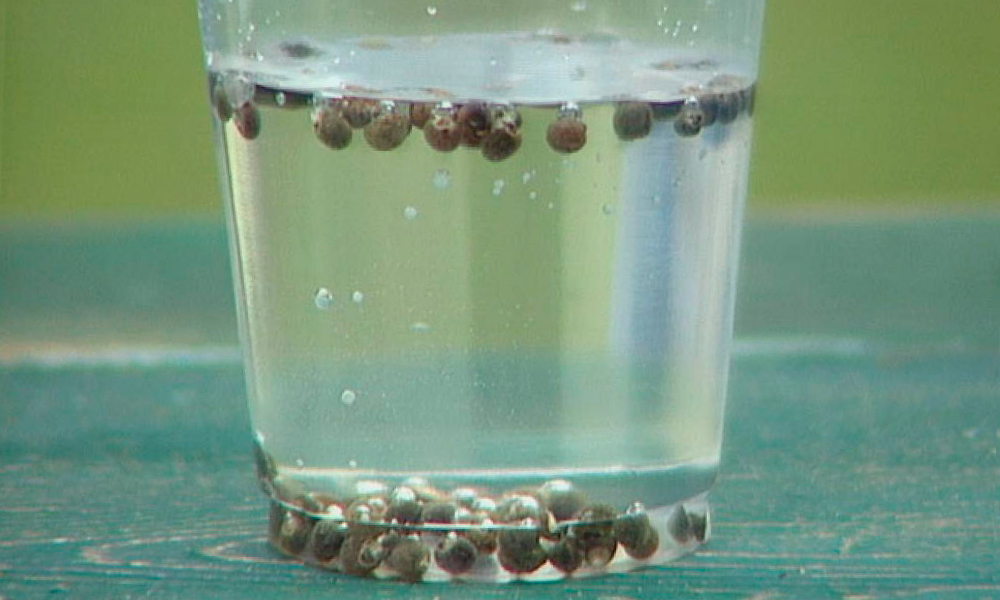
This is a simple preliminary way to assess quality. Seeds are poured with room temperature water and left for 10–20 minutes. Full seeds usually sink, while empty or damaged ones remain on the surface.
This method is suitable for most large seeds but is ineffective for small crops. Also, it does not provide a full guarantee, so it is better to use it together with other checks.
4️⃣ Home Germination Test
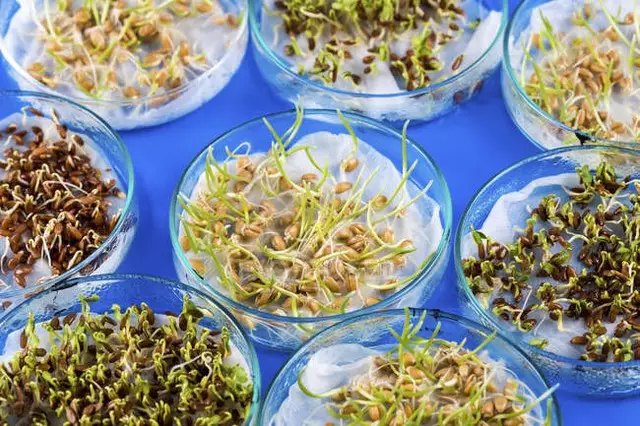
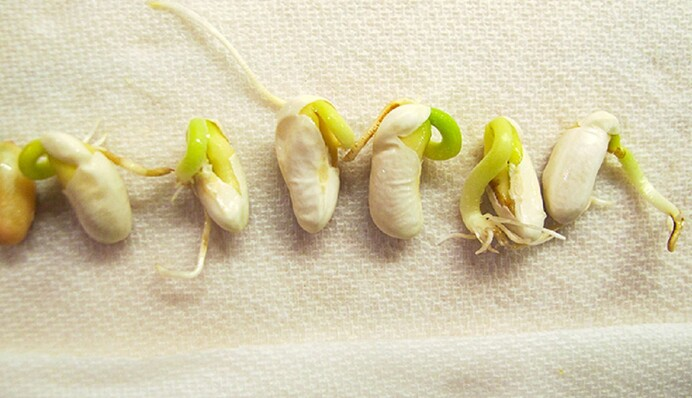
The most accurate way to determine seed quality is to check actual germination. Take 10 or 20 seeds, wrap them in a damp napkin or gauze, and leave them in a warm place. The moisture should be constant but not excessive.
After a few days, count the number of sprouted seeds:
▪️90–100% — excellent quality
▪️70–85% — acceptable
▪️50–60% — weak
▪️less than 50% — not recommended for sowing
5️⃣ Smell and Touch
High-quality seeds have no foreign odor. A sour or moldy smell is a sign of improper storage. To the touch, seeds should be dry, loose, and not stick together. A moist or sticky surface often indicates loss of viability.
6️⃣ Seed Origin
Pay attention to the manufacturer, packaging date, and batch information. Seeds from trusted brands usually undergo quality control.
Self-collected seeds can be good, but only if collected and stored properly. Before sowing, they must be checked for germination.
7️⃣ Treated Seeds
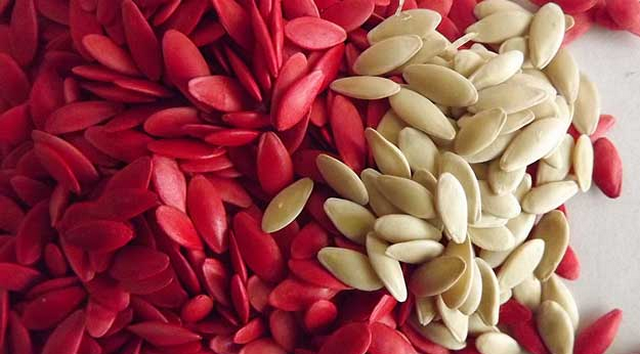
Such seeds have a bright color and are already treated against diseases. They should not be soaked or washed before sowing. At the same time, the expiry date is especially important for them: the protective coating does not restore old seeds.
High-quality seeds are a combination of good external condition, acceptable age, and high germination. A few simple checks before sowing will help avoid reseeding, save time, and get friendly, healthy seedlings. A stable harvest starts with quality seeds 🌱
If needed, I can adapt this article to the format of cards, tips, or short references in the app.