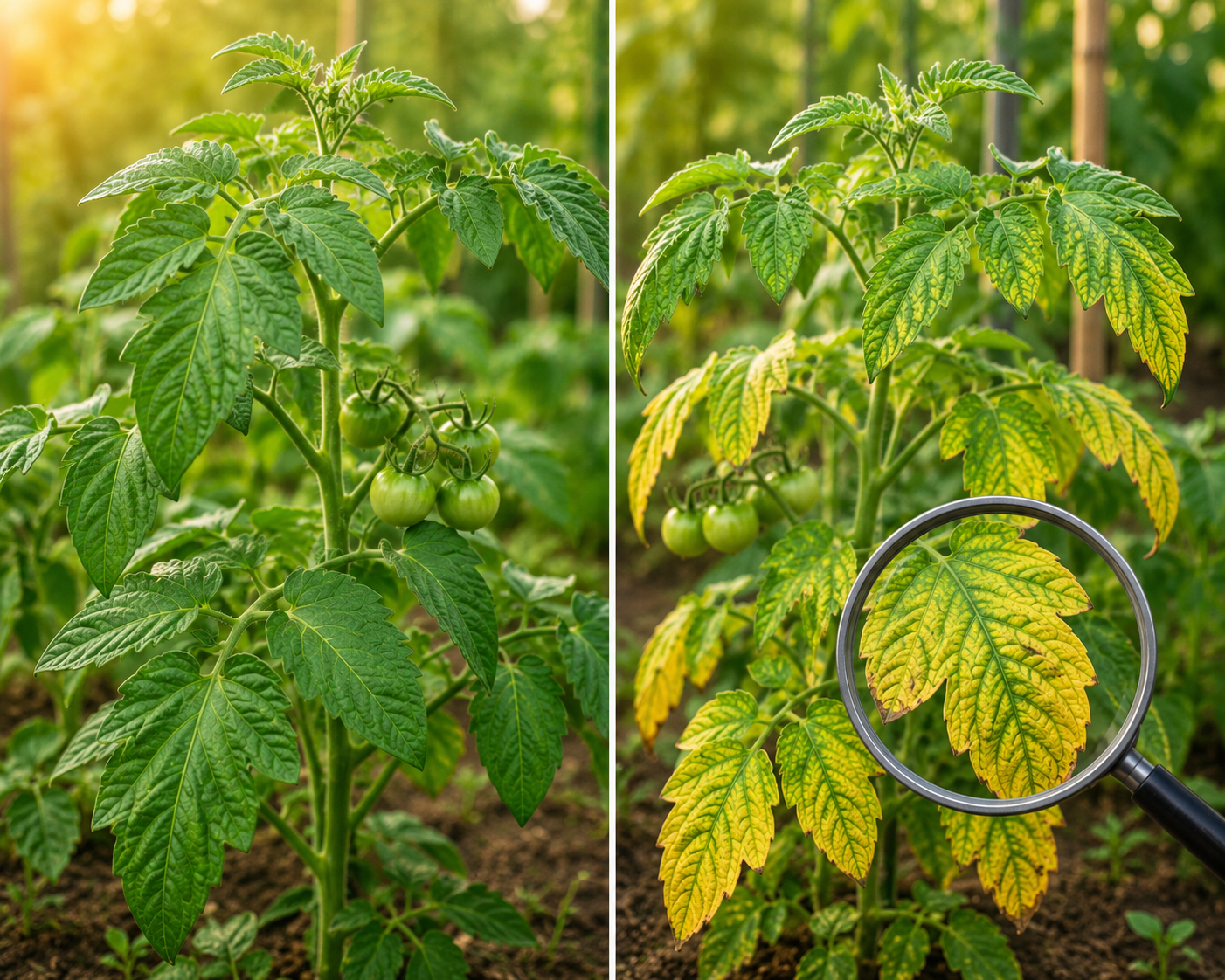
Autumn feeding is an investment in next year's harvest 🌱
After an active season, plants do not need growth stimulation, but rather support and recovery.
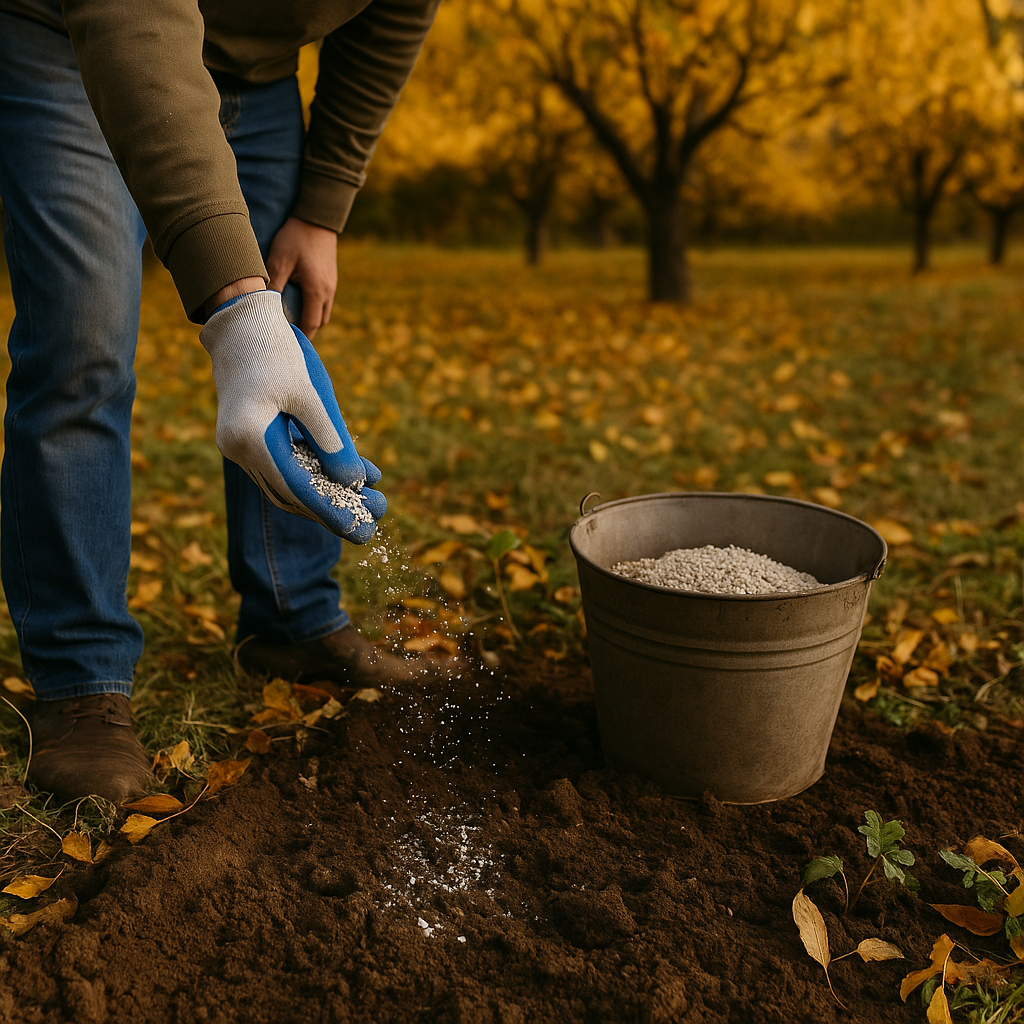
Fertilizers applied in autumn are gradually absorbed over the winter, strengthen the root system, and help the garden and vegetable patch survive frosts more easily.
Main rule:
❌ No nitrogen in autumn!
Nitrogen stimulates growth of green mass, which in autumn is harmful — young shoots do not mature and freeze out.
✅ TOP-5 Best Fertilizers for Autumn Application
1️⃣ Phosphorus-Potassium Fertilizers — basic preparation for winter
Examples: superphosphate, potassium sulfate, potassium-magnesium, potash salt.
Why:
▪️Phosphorus promotes wood maturation, flower bud formation, and root development;
▪️Potassium increases frost resistance, improves metabolism and sugar accumulation in tissues.
How to apply:
▪️During digging (30–40 g superphosphate + 20–30 g potassium sulfate per 1 m²);
▪️For trees — 2–3 tablespoons of each preparation around the trunk circle, followed by watering.
💡 Potassium sulfate is better than chlorine-containing fertilizers (like potash salt), as it does not acidify the soil and is suitable for sensitive crops — strawberries, grapes, raspberries.

2️⃣ Wood Ash — a natural source of potassium and trace elements
Ash is a universal organic-mineral fertilizer, which:
▪️Supplies potassium, calcium, phosphorus, magnesium, boron, and zinc;
▪️Neutralizes soil acidity;
▪️Improves soil structure and inhibits some pathogenic fungi.
Application rates:
▪️100–150 g (about a glass) per 1 m² during digging;
▪️or 1–2 handfuls under each berry bush.
💡 Do not mix ash with ammonium or nitrogen fertilizers — this reduces the effectiveness of both.

3️⃣ Compost — living "food" for the soil
Compost is natural organics that enrich the soil with humus and trace elements.
It:
▪️Activates soil microflora;
▪️Improves water retention capacity;
▪️Promotes humus accumulation.
How to use:
▪️Apply in autumn during digging 3–5 kg/m²;
▪️Or use as mulch for trees and bushes in a 3–4 cm layer.
💡 It is best to use mature compost — dark, crumbly, and odorless.

4️⃣ Humus (well-rotted manure) — a long-term source of nutrition
Humus acts slowly, but provides nutrition for 2–3 years ahead.
It contains potassium, phosphorus, calcium, trace elements and organic acids that stimulate soil bacteria.
How to use:
▪️4–6 kg per tree, 2–3 kg per bush;
▪️or 5–8 kg/m² during digging.
❗ Do not use fresh manure — it releases ammonia and can damage roots.
5️⃣ Phosphate Rock or Dolomite Flour — for improving acidic soils
This is a slow-acting mineral fertilizer, applied in autumn, because during the winter it partially dissolves and becomes available to plants.
▪️Phosphate rock contains up to 25% phosphorus, which supports root development.
▪️Dolomite flour enriches soil with calcium and magnesium, while simultaneously reducing acidity.
Application rates:
▪️300–500 g per 1 m² during digging (depending on soil acidity).
▪️The effect lasts 3–4 years.
🌾Also useful:
▪️ Bone meal — a mild organic phosphorus source for flowers, berries, and bulbous crops.
▪️ Vermicompost — improves soil structure and increases humus content.
▪️ Green fertilizer (siderates) — a natural way to enrich the soil with nitrogen and organics, without chemicals.
How and when to apply autumn fertilizers
1️⃣ Timing: September — early October, before ground freezes.
2️⃣ Method: during digging or scattered on the surface, followed by watering.
3️⃣ Weather: dry, calm day without rain.
4️⃣ Don't forget water-charging irrigation after application — moisture helps nutrients dissolve.
Autumn feeding is not just the final stage of the season, but the key to a stable harvest next year.
Phosphorus, potassium, calcium and organics work slowly but thoroughly — over the winter they become available for plants, and in spring they help them start with full force 💪