🌿 NPK: What is it and why do these three letters decide the fate of your harvest
A complete guide for gardeners and horticulturists
NPK stands for the three basic plant nutrients: nitrogen (N), phosphorus (P), and potassium (K). They form the basis of any fertilizer, as they are responsible for plant growth, development, flowering, fruiting, and immunity. The right NPK ratio is the key to a healthy, strong, and productive plant.
In this article, we'll break down what the numbers on fertilizer packaging mean, what each element is needed for, and how to choose the right formula for different crops and growth stages.
What is NPK?
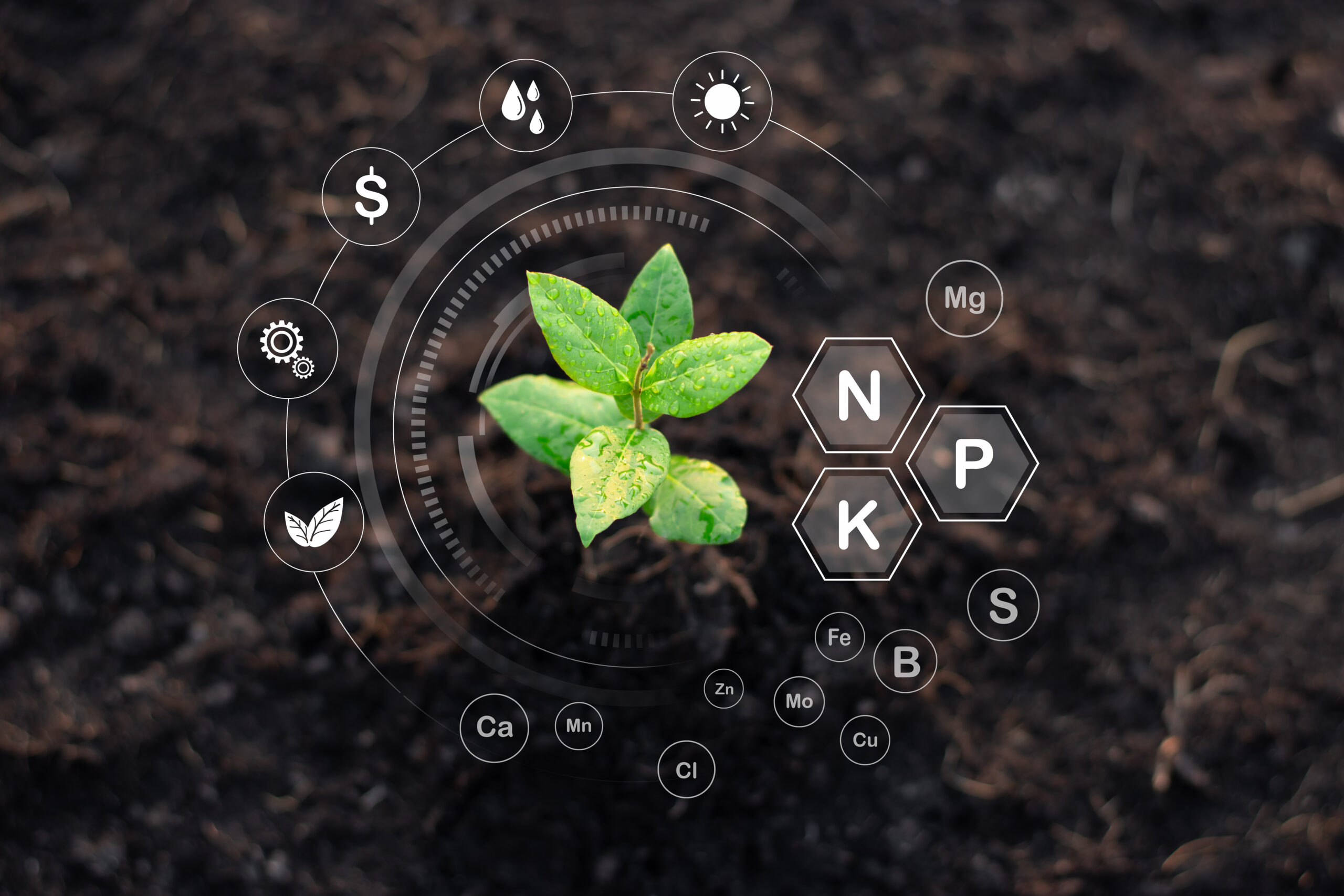
NPK stands for the chemical symbols of the three main macronutrients:
▪️N — Nitrogen
▪️P — Phosphorus
▪️K — Potassium
These are the three elements that plants consume in the largest quantities, so they are always included in complex fertilizers.
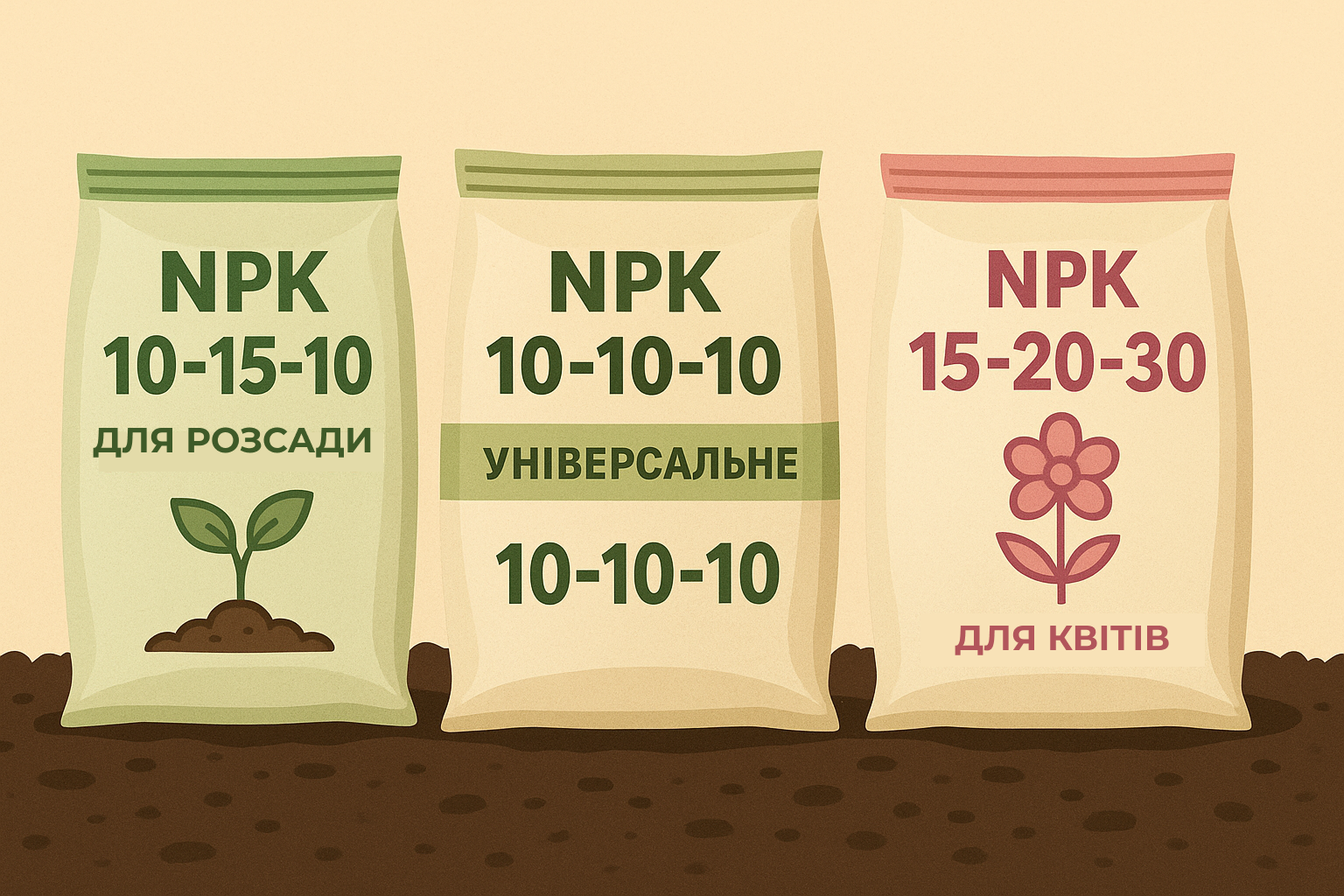
The packaging always shows the ratio, for example 10-10-10 or 20-5-20 — this is the percentage of each element.
Why do plants need N, P, and K?
N — Nitrogen: Growth and Green Mass
Nitrogen is the "engine" of growth. It is responsible for:
▪️rapid development of leaves and stems
▪️intense green color
▪️formation of the canopy and vegetative mass
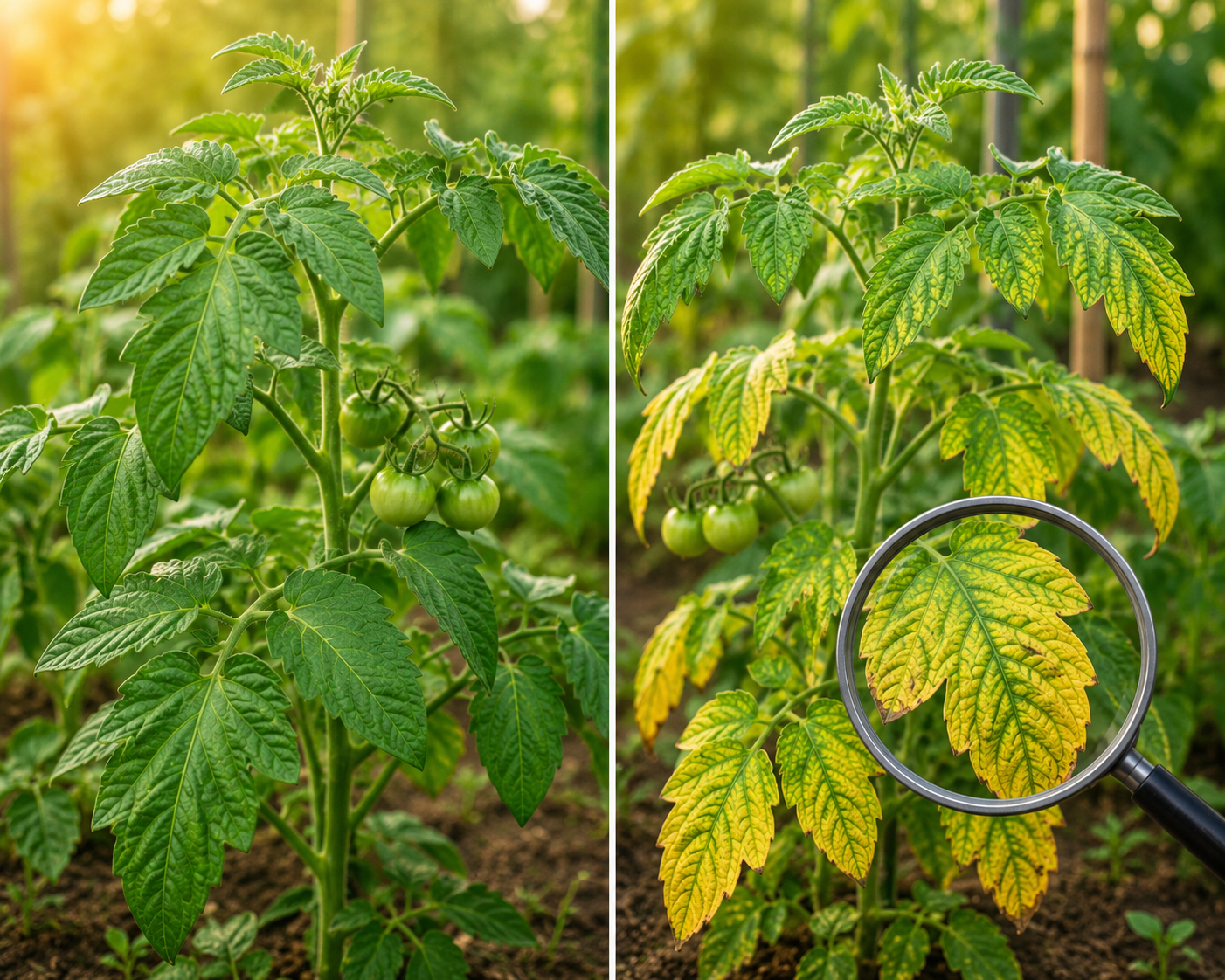
⚠️ Excess nitrogen leads to "lush growth" — lots of leaves, few fruits.
P — Phosphorus: Roots, Flowers, Fruits
Phosphorus works where energy is needed:
▪️rooting
▪️flowering
▪️fruit set
▪️seed formation
A lack of phosphorus often shows as purple or bluish leaves.
K — Potassium: Immunity and Endurance
Potassium is the element of resilience:
▪️boosts plant immunity
▪️makes them less susceptible to diseases
▪️helps withstand drought and cold
▪️responsible for the taste, juiciness, and quality of fruits
Fruits lacking potassium are often small, sour, and watery.
How to read an NPK formula?
For example, a fertilizer is labeled 10-5-20.
This means that in 100 g of the product:
▪️10 g of nitrogen
▪️5 g of phosphorus
▪️20 g of potassium
Such formulas can be chosen for specific tasks.
🍅 Which NPK to choose for different crops?
1️⃣ For seedlings
Formulas with increased phosphorus are optimal:
➡ 10-15-10, 5-10-5, 9-12-9
They strengthen the root system.
2️⃣ For leafy crops (lettuce, spinach, greens)
More nitrogen is needed:
➡ 20-10-10, 15-5-5
3️⃣ For tomatoes, peppers, eggplants
Main focus — fruit set and fruits:
➡ 10-10-20, 8-16-24, 12-12-18
4️⃣ For cucumbers
Balance nitrogen and potassium:
➡ 15-15-20, 10-10-15
5️⃣ For root crops
Low nitrogen, more potassium:
➡ 5-10-20, 10-20-20
6️⃣ For flowers
▪️For abundant flowering: 10-30-20, 15-20-30
▪️For green mass growth: 20-10-10
Organic fertilizers and NPK
Manure, compost, or humus also have NPK, but in less stable and varying concentrations.
Approximately:
▪️cow manure: 0.6-0.3-0.4
▪️poultry manure: 1.5-1.8-0.5
▪️compost: 1-0.5-1
Organics not only nourish but also increase soil humus content.
Mistakes when using NPK
▪️Excess nitrogen → lots of leaves, little yield
▪️Adding NPK to dry soil → root burn
▪️Applying "out of stage" (for example, nitrogen during flowering is undesirable)
▪️Using overly concentrated solutions
NPK is the foundation of plant nutrition. Understanding the role of each element helps you choose fertilizers correctly, avoid growth problems, and achieve consistently high yields.
The right formula at the right time — and your plants will reward you with health, strength, and fruits.