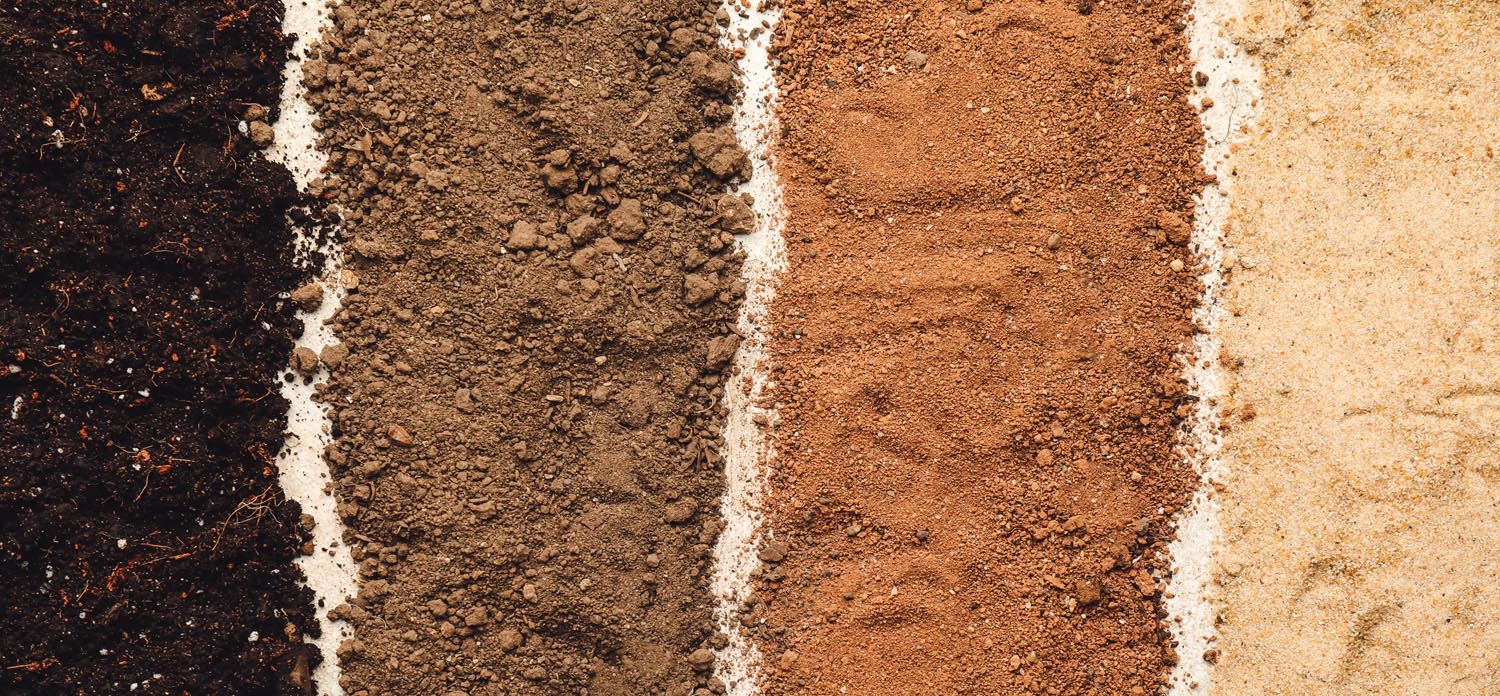
Success in gardening starts not with seeds or even fertilizers, but with the soil. It determines how plants will grow, how easily they absorb nutrients, and how much effort is needed for care. The most common soil types in gardens and vegetable plots are sandy, loamy, and chernozem. Each has its own characteristics, advantages, and limitations.
🌾 Sandy soil: light but demanding
Sandy soil is easy to recognize: it is loose, quickly lets water and air through, and is easy to work even without digging. In spring, this soil warms up quickly, so plants start growing earlier.
But there are also downsides. Moisture and nutrients do not stay in sand—they are quickly washed down to deeper layers. Because of this, plants often suffer from a lack of nutrition and dryness, especially in hot weather.
For gardeners, this means:
▪️more frequent watering
▪️small but regular fertilization
▪️mandatory use of organic matter
To improve sandy soil, add compost, manure, vermicompost, mulch the surface, and sow green manure crops. Over time, this increases the humus content and makes the soil more “alive.”

🌱 Loam: the golden mean for the garden
Loamy soil is considered the ideal option for most crops. It contains both sand and clay in balanced proportions, so it retains moisture well without becoming waterlogged, and allows air and nutrients to pass through.
This soil:
▪️is easy to cultivate
▪️suits almost all vegetables and fruit crops
▪️responds steadily to fertilization
▪️suffers less from weather extremes
The main task for the gardener is not to spoil the balance. Excessive digging, overfeeding with mineral fertilizers, or lack of organic matter can deteriorate the structure of loam over time.
The best strategy is regular application of organic matter, mulching, and moderate tillage.

🌿 Black Soil: fertile, but not “all-permissive”
Black soil is rightly considered the most fertile soil. It is dark, rich in humus, and retains moisture and nutrients well. Plants in Black soil often look vigorous even without intensive fertilization.
But chernozem is not “magical.” Without proper care, it can:
▪️become compacted
▪️lose structure
▪️get waterlogged
▪️decrease in biological activity
On heavy chernozems, it is especially important to avoid water stagnation and excessive digging. Mulch, green manure crops, surface tillage, and controlled fertilizer application work well.
Black soil does not like extremes: neither drying out, nor excess water, nor aggressive “chemicals.”

❓ Why it’s important to know your soil type
The same care can produce excellent results on loam and completely fail on sand or heavy chernozem. Understanding your soil type helps you:
▪️choose the right crops
▪️adjust watering
▪️avoid overusing fertilizers
▪️avoid typical mistakes
There is no “bad” soil—there is soil that needs the right approach.
Sandy—light, but needs organic matter and attention.
Loam—versatile and the most convenient to work with.
Black soil —fertile, but demanding in terms of structure and balance.
The better you understand your soil, the easier and more effective plant care becomes.