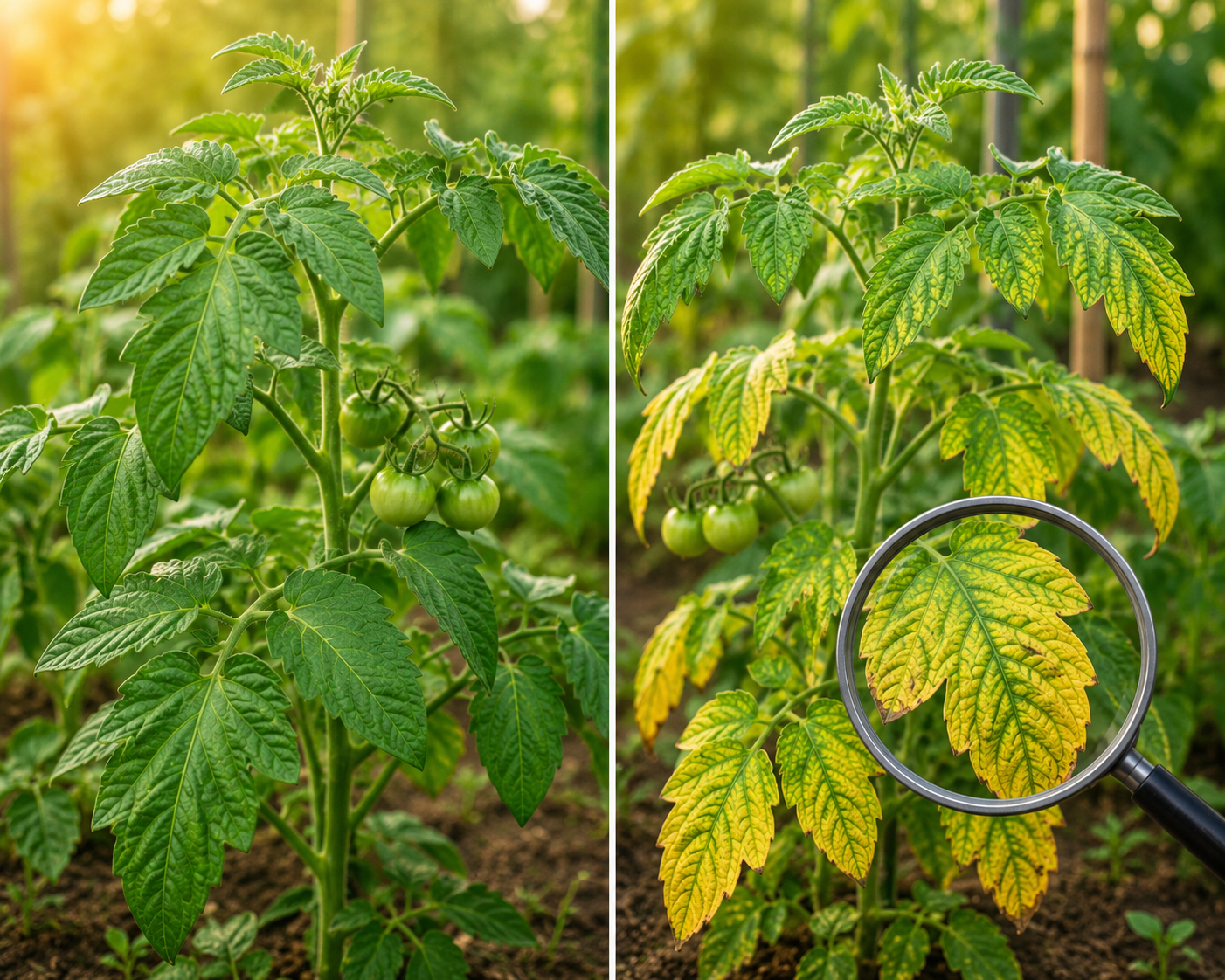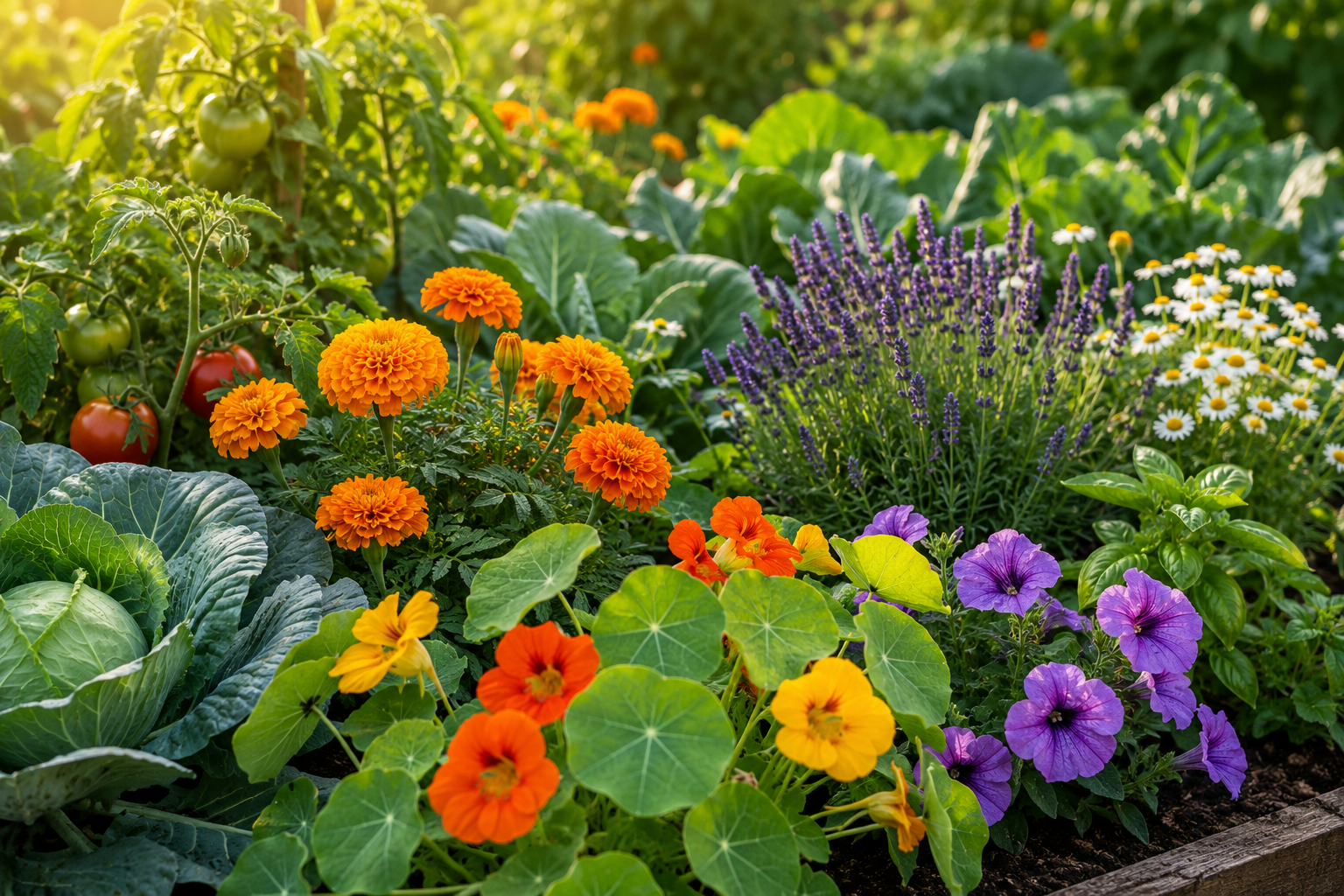
Green manure crops, or "green fertilizers", are special plants grown to improve soil quality. Instead of leaving land bare after harvesting, gardeners sow cover crops, which grow quickly, produce lush green mass, and enrich the soil with beneficial nutrients.
After these crops mature, they're mowed and incorporated into the soil, where they decompose into natural fertilizer. This gives gardeners healthy, living soil without unnecessary chemicals.
Why should you sow green manure crops?
🔹 They enrich the soil with nutrients. Legumes (lupin, vetch, clover) accumulate nitrogen, grasses (rye, oats) add organic mass, and buckwheat makes phosphorus more available.
🔹 They improve soil structure. Roots loosen the soil, enhance aeration, and improve water permeability.
🔹 They suppress weeds. A dense green carpet prevents unwanted plants from sprouting.
🔹 They help control diseases and pests. For example, mustard releases substances that reduce nematode and fungal infections.
🔹 They prevent erosion. In winter, green manure crops hold the soil, preventing it from being washed or blown away.
🔹 They attract pollinators. Phacelia and clover are excellent honey plants that draw in bees.
The Most Popular Green Manure Crops and Their Features
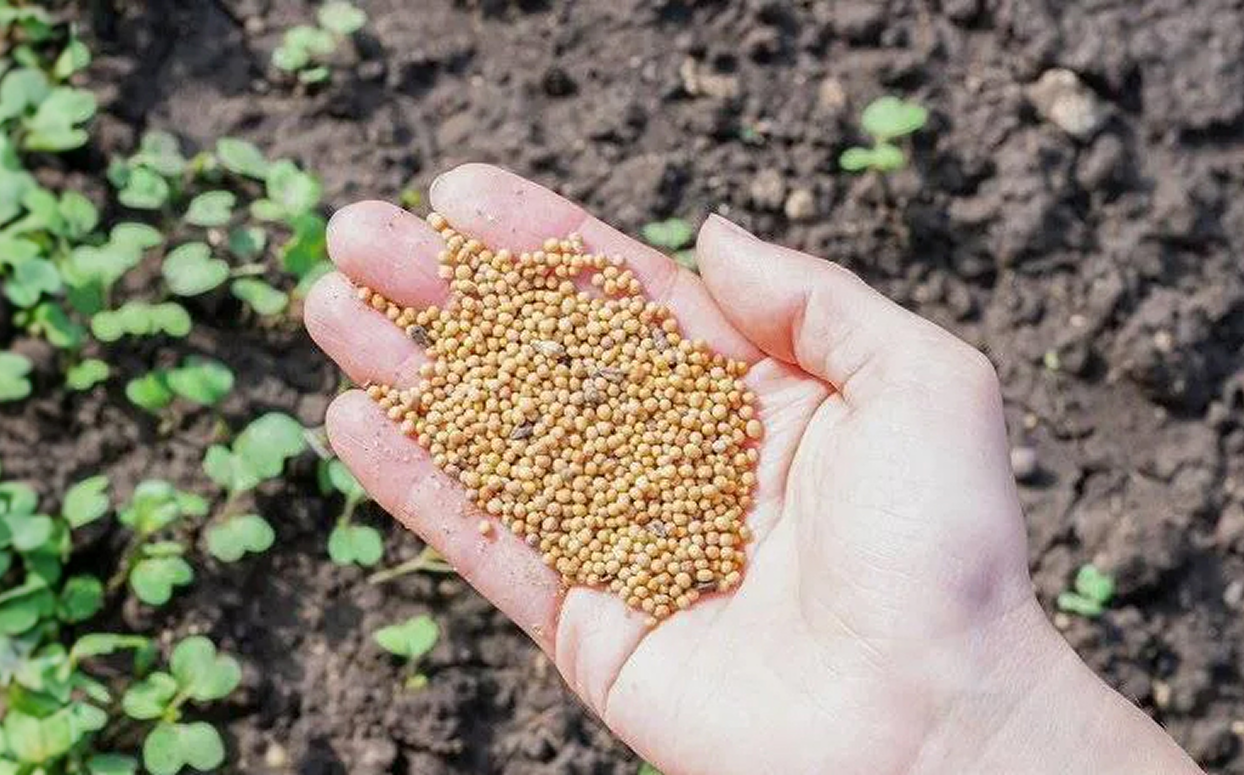
🌼 White Mustard
▪️Grows rapidly, suppresses weeds.
▪️Protects against nematodes and fungal diseases.
▪️Best sown before potatoes, tomatoes, cucumbers.

🪻 Phacelia
▪️Universal cover crop, grows on any soil.
▪️Reduces acidity, improves soil structure.
▪️Excellent honey crop.

🌾 Winter Rye
▪️Frost-resistant, grows even in winter.
▪️Protects soil from erosion and weeds.
▪️Great option for autumn sowing.

🌱 Lupin
▪️A legume crop, enriches soil with nitrogen.
▪️Grows well on sandy and nutrient-poor soils.
▪️Recommended before cabbage, potatoes, carrots.

💚 Clover
▪️Perennial, works for several years in a row.
▪️Accumulates nitrogen, forms a dense green cover.
▪️Beneficial for potatoes, grains, vegetables.

🌿 Spring Vetch
▪️Grows quickly, combines well with oats.
▪️Enriches soil with nitrogen.
▪️Suitable before cucumbers, cabbage, potatoes.

🌸 Buckwheat
▪️Heat-loving, grows quickly.
▪️Makes insoluble phosphates more available.
▪️Recommended before cabbage, carrots, beets.

🌾 Oats
▪️Undemanding, cold-resistant.
▪️Improves soil structure, suppresses nematodes.
▪️Grows well mixed with vetch.

When and How to Sow Green Manure Crops?
✔️ In spring — for rapid post-winter soil recovery.
✔️ In summer — after harvesting early crops (lettuce, peas, radish).
✔️ In autumn — after harvesting, to prevent bare ground.
Basic Guidelines:
▪️Sow either broadcast or in rows.
▪️Cover seeds to a depth of 2–5 cm, depending on the crop.
▪️Use about 100–250g of seeds per 100 sq m (10–25 kg/ha).
▪️After 30–60 days, mow and incorporate the green manure into the soil, or leave it as mulch for winter.
Green manure crops are a simple and natural way to make soil fertile without excess chemicals. They serve as fertilizer, disease protector, mulch, and "medicine" for your land at the same time. If you make sowing green manure crops a habit, your vegetable garden will yield more healthy crops every year.