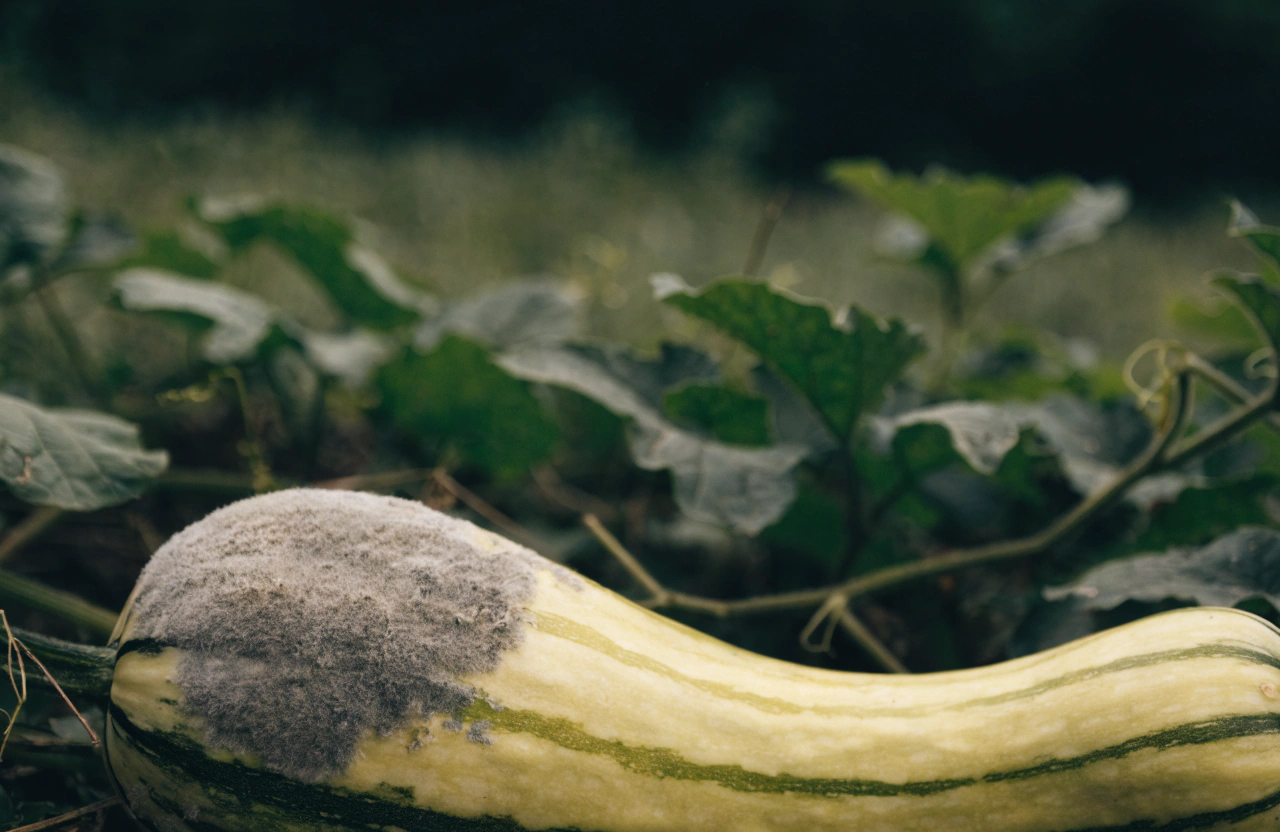
July, with its rains, high humidity, and warm nights, creates ideal conditions for one of the most common fungal diseases — gray mold. If you notice a fluffy gray coating or rapidly spreading spots on strawberries, cucumbers, tomatoes, or grapes, it's likely gray mold. The disease can destroy part of the harvest in just a few days, so it is important to act quickly and correctly.
What is Gray Mold
Gray mold (botrytis, caused by the fungus Botrytis cinerea) is a fungal disease that affects a wide range of crops: strawberries, grapes, tomatoes, cucumbers, peppers, flowers, and berry bushes. The fungus attacks weakened, damaged, or overripe plant tissues and, under favorable conditions, quickly spreads to healthy parts.
The peculiarity of gray mold is that it develops rapidly: within 2-3 days of warm, humid weather, a small spot can turn into a widespread center of rot, spreading to neighboring fruits and leaves.
How to Recognize Gray Mold
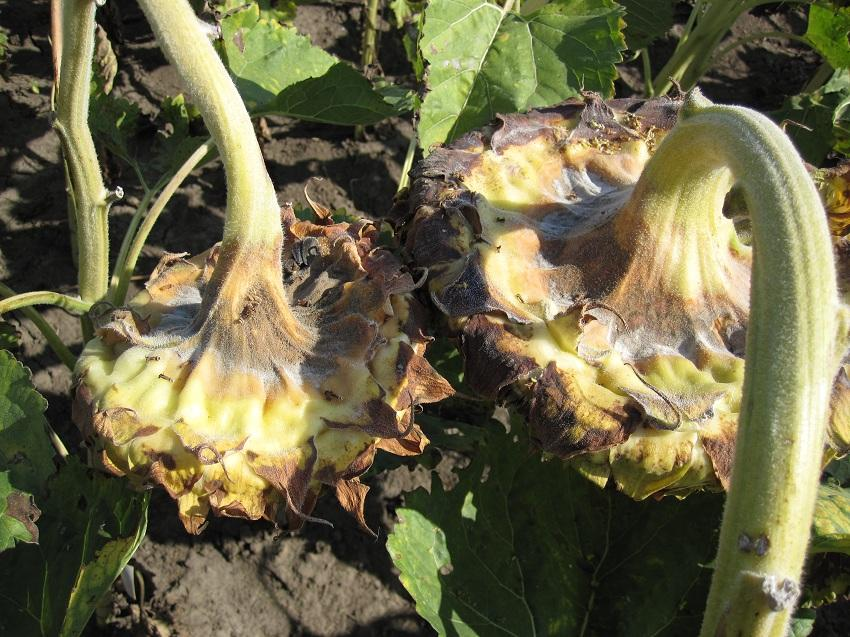
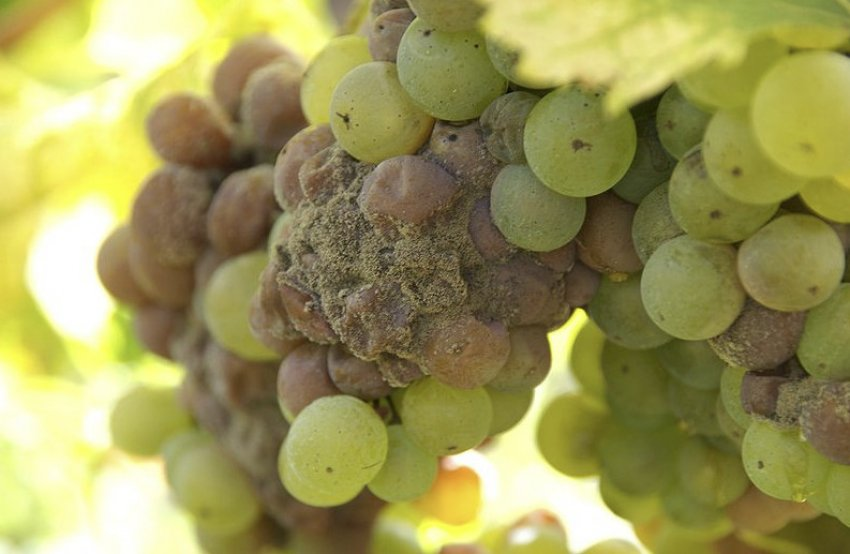
On fruits — soft brown spots appear, which quickly become covered with a characteristic fluffy gray coating similar to mold. The affected fruit softens, loses its shape, and starts to rot.
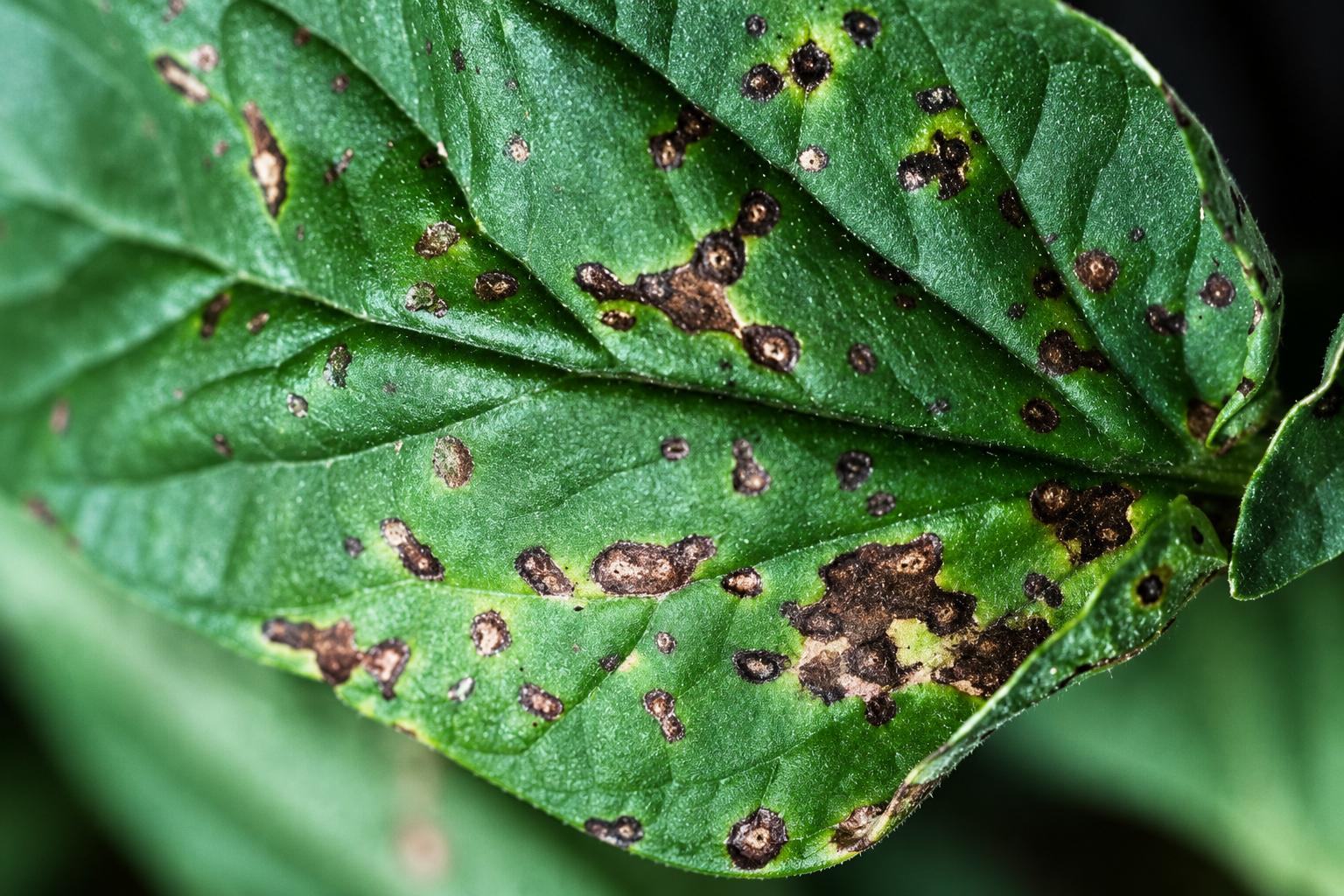
On leaves and stems — blurred brown spots with indistinct edges appear, which also become covered with a gray fuzz of spores over time. Affected stems may break.
On flowers — petals become covered with small watery spots, turn brown, and wilt, sometimes even before the fruit forms from the flower.
The main distinguishing feature of gray mold among other diseases is the gray, "dust-like" coating, which can be easily brushed off with a finger. These are the fungal spores, which spread to neighboring plants at the slightest touch or gust of wind.
Why the Disease Appears
Gray mold becomes active under three simultaneous conditions: high air humidity, moderately warm temperatures (15-25°C), and poor ventilation of plantings. That is why outbreaks most often occur after prolonged rains, in dense plantings, or in greenhouses with poor ventilation.
Additionally, the risk increases due to:
▪️ fruits and stems damaged by pests or mechanically — the fungus penetrates wounds most easily;
▪️ overripe fruits or fruits that touch wet soil;
▪️ excess nitrogen fertilization, which makes plant tissues loose and less resistant;
▪️ plant debris left in the garden from the previous season — the fungus overwinters in them.
What to Do If the Disease Has Already Appeared
✅ immediately remove all affected fruits, leaves, and stems — do not compost them, but take them out of the area or burn them
✅ treat the plants with a copper-based fungicide (Bordeaux mixture, copper sulfate) or a biological product based on Trichoderma
✅ thin out dense plantings for better ventilation
✅ remove fruits lying on wet soil — place straw or special supports underneath
✅ reduce watering and avoid overhead irrigation until humidity stabilizes
✅ repeat the treatment in 7-10 days if the weather remains humid
Prevention: How to Avoid an Outbreak
✅ plant with enough space for ventilation
✅ regularly thin out leaves and shoots, especially in the lower part of the bush
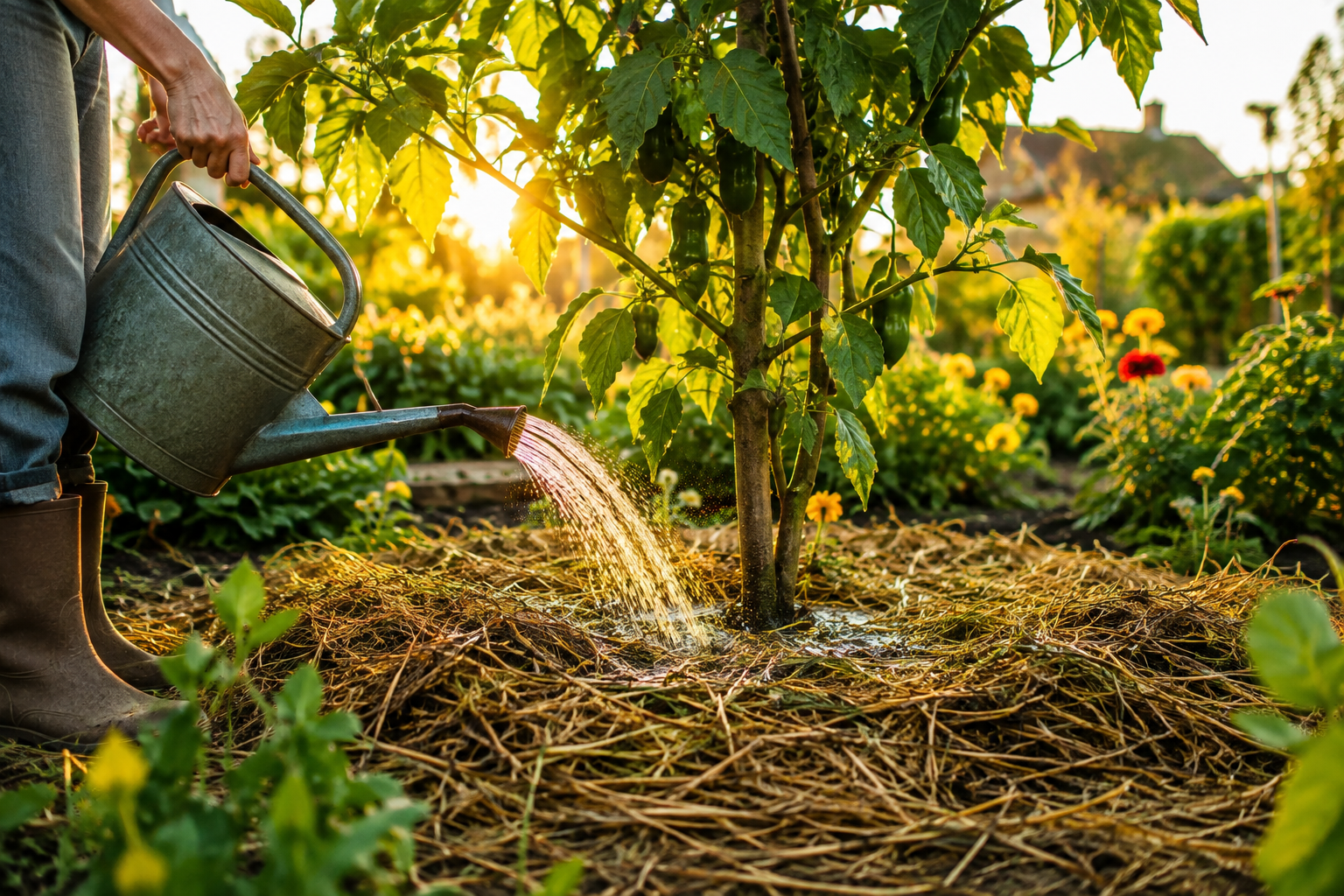
✅ water at the root in the morning so leaves can dry during the day
✅ mulch the soil so fruits do not touch wet ground
✅ harvest ripe and overripe fruits on time — they are the most vulnerable
✅ remove plant debris in autumn, do not leave it in the area until spring
✅ do not overload plants with nitrogen
❌ do not leave affected fruits and leaves in the bed "for later"
❌ do not water over the leaves in humid weather
❌ do not compost infected plant debris — the fungus will survive composting and return in spring
❌ do not plant too densely, especially in humid regions
Gray mold is a disease of moisture and stagnant air. The best protection is not fighting an existing outbreak, but prevention: ventilation, moderate watering, and timely removal of affected and overripe fruits. The less moisture remains on the plant, the fewer chances the fungus has to take hold.



Comments (0)