Septoria: The white spot disease silently destroying tomato crops
If you suddenly notice small pale spots with a dark border on the lower leaves of your tomatoes, don't blame it on a lack of fertilizer. Most likely, it's septoria, and delaying treatment could cost you half your harvest in just 2-3 weeks.
What is this disease?
Septoria (white leaf spot) is a fungal disease caused by the fungus Septoria lycopersici. It primarily affects tomatoes, less commonly potatoes, eggplants, and other nightshades. Unlike late blight, septoria develops more slowly, which is why gardeners often miss the early stages—while the fungus methodically destroys the foliage from the bottom up.
What causes it?
The fungus overwinters in plant debris and soil, and becomes active under the following conditions:
▪️ High humidity—heavy dew, rain, overhead watering
▪️ Dense plantings—poor air circulation between bushes
▪️ Temperature +20...+27°C—ideal range for spore development
▪️ Weak plant immunity—potassium deficiency, stress from temperature fluctuations
Spores spread via raindrops, wind, and also on the gardener's hands and tools during plant care.
How to recognize it: symptoms
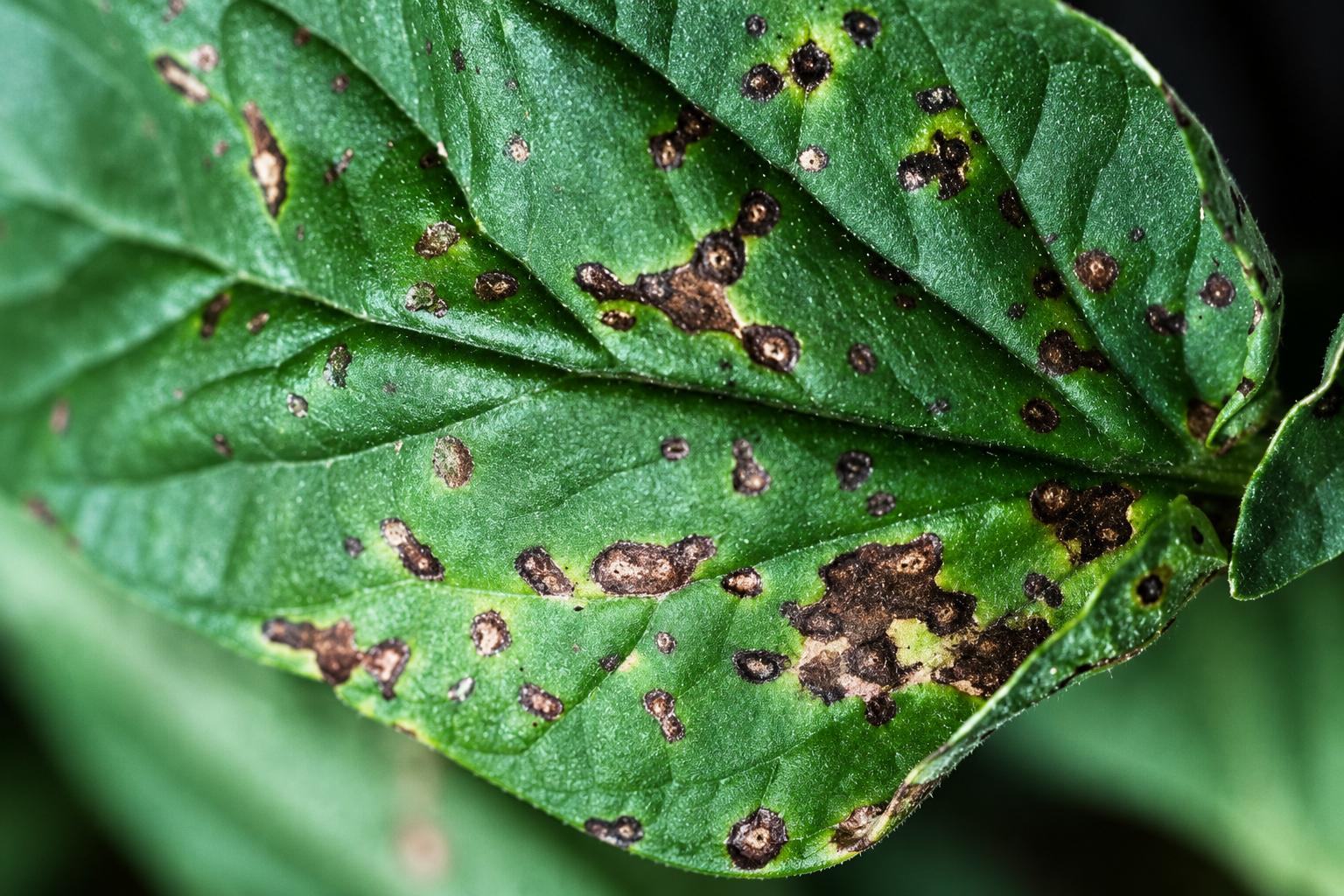
✅ Small (2-3 mm), round spots of light gray or whitish color with a distinct dark brown border
✅ Spots first appear on the lower, older leaves
✅ Over time, you can see dots in the center of the spots—these are the fungus's pycnidia (fruiting bodies)
✅ Affected leaves turn yellow, dry up, and fall off from the bottom up
✅ In severe cases, the plant loses 50-70% of its foliage, sharply reducing photosynthesis and fruit filling
❌ Unlike late blight, septoria spots are smaller, more rounded, and lack a "wet" coating
❌ Septoria rarely affects the fruit—it mainly damages the leaves
What to do: treatment and prevention
✅ Immediately remove and burn/discard affected lower leaves—do not compost them
✅ Treat with a copper-based fungicide (Bordeaux mixture, copper oxychloride) at the first signs
✅ Ensure ventilation: prune the bush, remove side shoots, avoid overcrowding
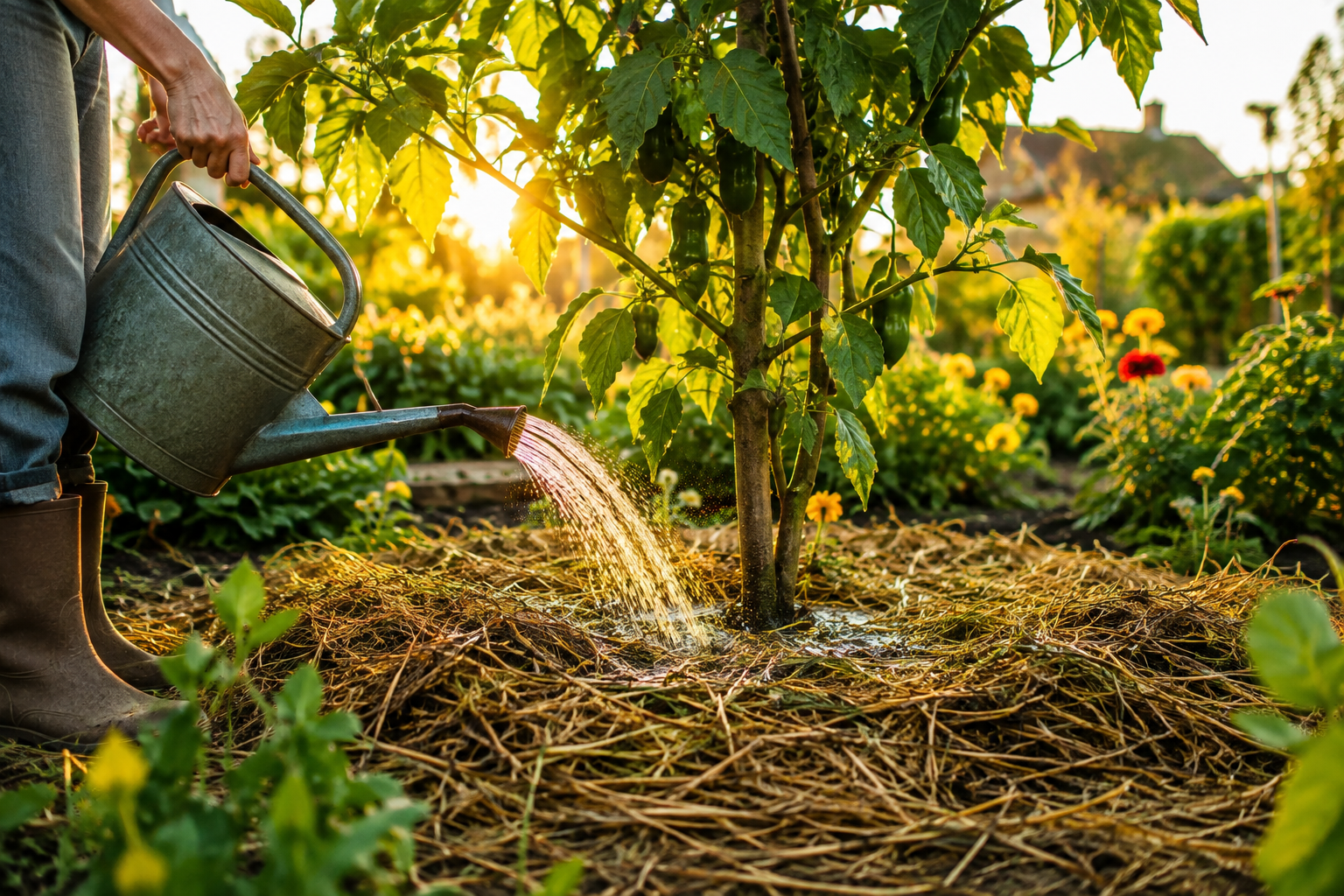
✅ Water only at the root, never on the leaves
✅ Mulch the soil—this prevents spores from splashing onto lower leaves during rain/watering
✅ In the fall, always remove and destroy all plant debris from the bed
❌ Do not plant tomatoes in the same spot for two consecutive years—follow crop rotation (wait at least 3-4 years before returning)
❌ Do not delay treatment—septoria, unlike late blight, does not kill the plant quickly, so gardeners often "wait it out," while the disease progresses for weeks
Septoria is a disease of moisture and overcrowding. Ventilating the bushes, watering at the root, and promptly removing affected lower leaves solve the problem in 80% of cases without chemicals.


Comments (0)